
 Available in US
Content
Beyond Outright: The Markets Most Punters Overlook
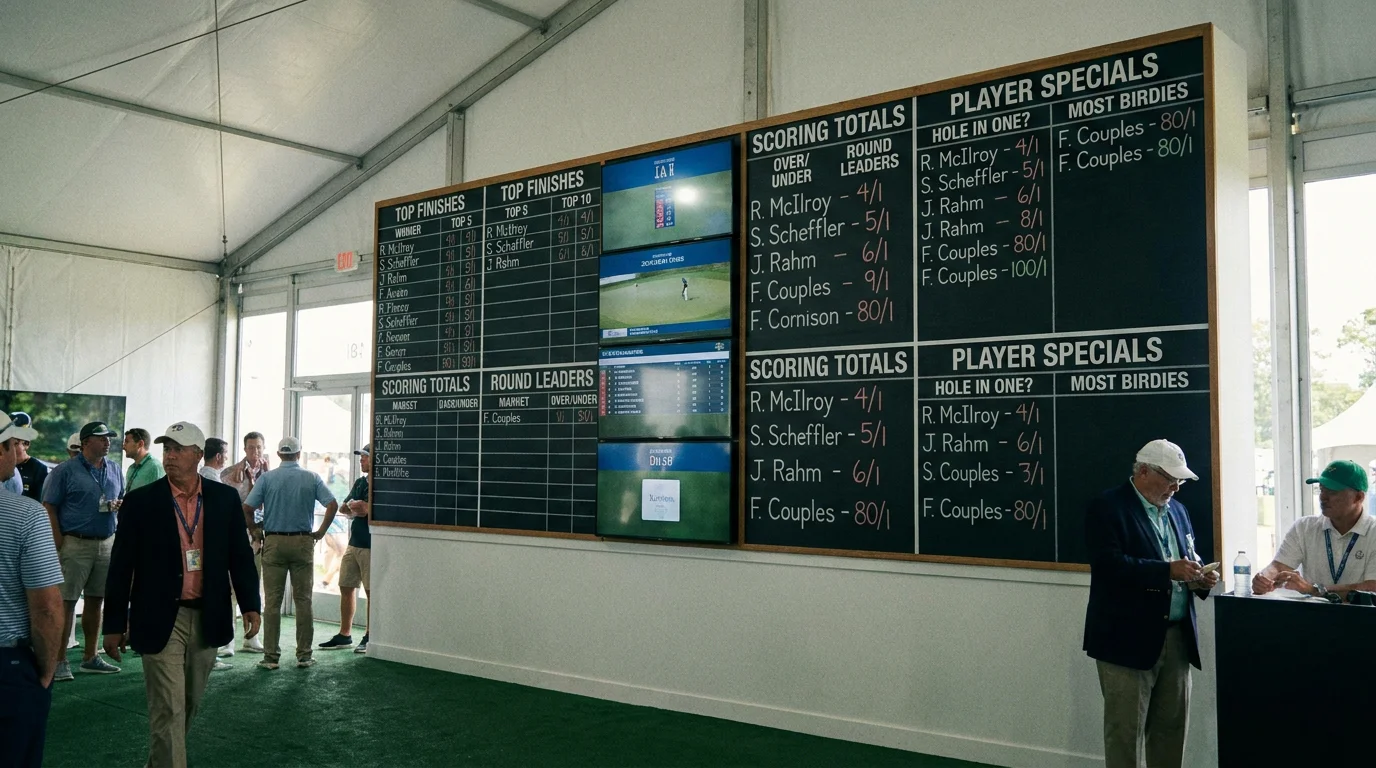
I spent my first two years of golf betting doing nothing but outrights and each-way bets. Then a friend showed me his prop-betting spreadsheet, and I realised I had been ignoring an entire dimension of the market. Golf proposition bets — “props” for short — cover everything from whether a player will finish in the top 20 to whether the winning score will be over or under a specific number. They are side markets built around specific outcomes within the tournament, and they carry lower variance, faster resolution, and pricing inefficiencies that the outright market simply cannot match.
Props appeal to me because they let me express an opinion without predicting a winner. If I think a player is in strong form but is unlikely to beat a stacked field, I can back him for a top-20 finish at even money rather than taking his 40/1 outright price. That is a fundamentally different risk-reward proposition, and building a portfolio of well-selected props is one of the most consistent ways to generate positive returns from golf betting.
Player Props: Top 5, Top 10, Top 20 and Make-the-Cut
Player positional props — top 5, top 10, top 20, and make-the-cut — are the bread and butter of prop betting. Each one asks a different question about the player’s expected performance. A top-5 prop is close to an outright bet in terms of the calibre required. A top-20 prop asks whether the player will be in the top 13% of the field. A make-the-cut prop asks whether he will survive to play the weekend — typically the top 65 and ties.
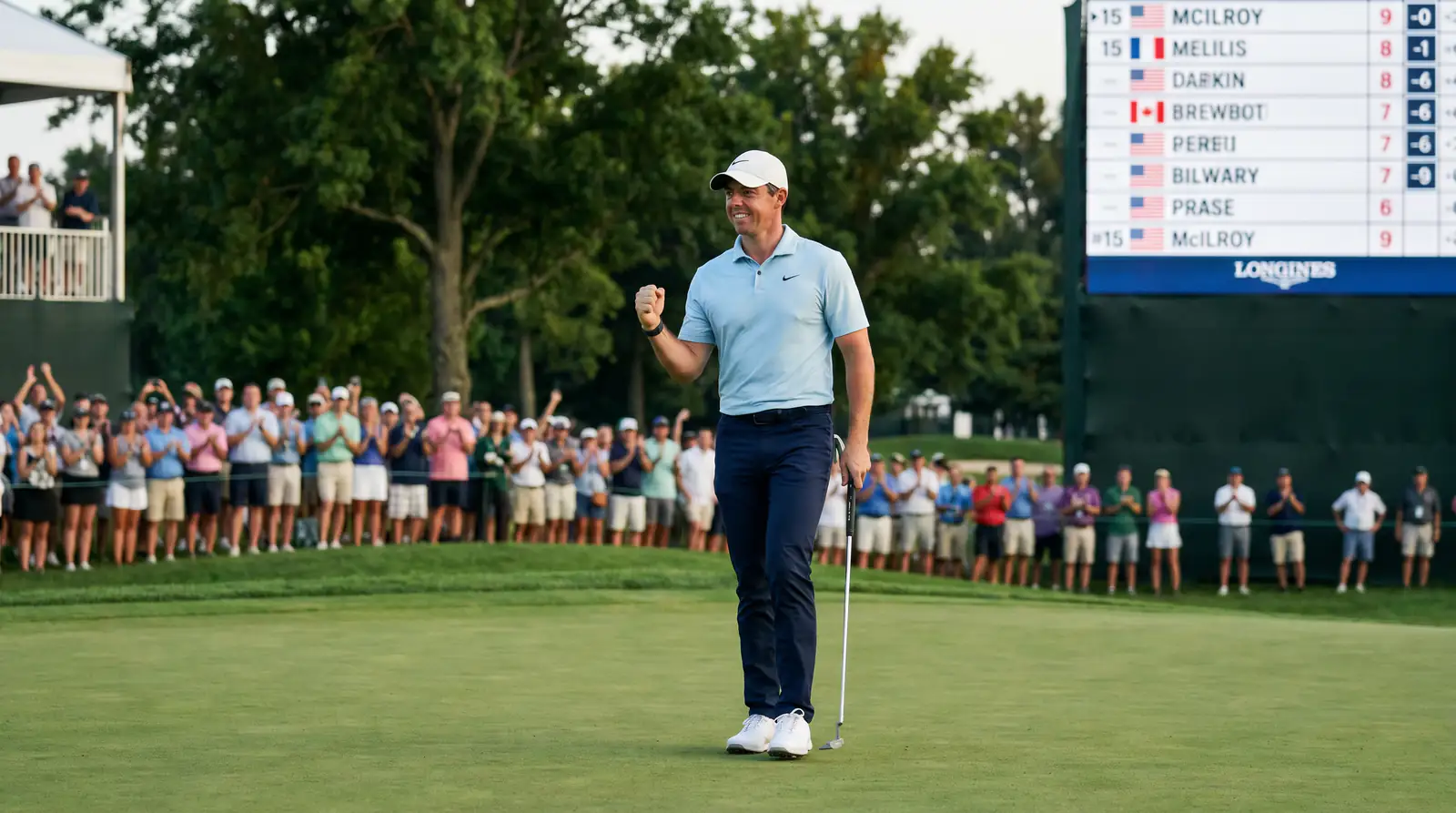
The pricing on these props reveals interesting things about the market. Make-the-cut props on mid-tier players are often more efficiently priced than top-10 or top-20 props because the bookmaker has solid historical data on cut rates. A player who has made the cut in 15 of his last 20 starts at similar-strength events has a well-established baseline. But top-10 props on the same player carry more uncertainty because the gap between a 15th-place finish and a 10th-place finish is often one or two strokes over four rounds — a margin that is within the noise of putting variance.
I find the most value in top-20 props for players in the 30/1 to 60/1 outright range. These players have the game to contend but are unlikely to win. A top-20 finish is well within their capability if they play to their ability, and the prop price often underestimates their chances because the market overweights the probability gap between the top 20 and the top 10 — a distinction that matters little for prop-betting purposes.
Scoring Props: Tournament Total and Round Scores
Scoring props ask you to predict aggregate outcomes rather than individual player results. The most common: will the winning score be over or under a specific number? Will the first-round scoring average be above or below par? Will there be a score of 62 or lower during the tournament?
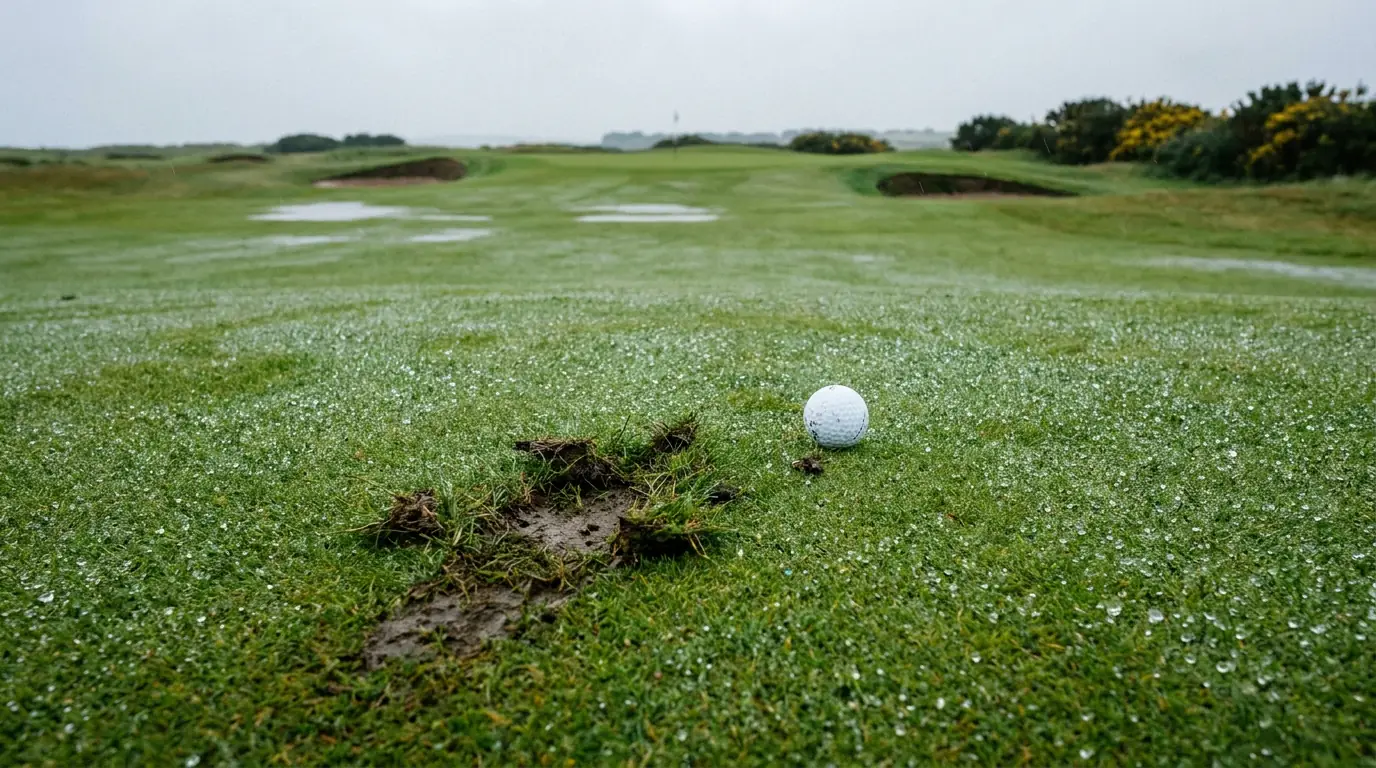
Winning-score props are heavily influenced by course setup and weather, which is why I never price them without checking both. A PGA Tour event at a soft, accessible course in calm conditions will produce a winning score in the low 20s under par. The same event after two days of rain that softens the greens further, with minimal wind, might push the winning score even lower. Conversely, a windy links course with firm greens and tight pin positions can hold the winning score close to even par. The bookmaker sets the line based on historical averages at the venue, but conditions in any given year can deviate significantly from that average — and that deviation is where the prop has value.
Round-scoring props are shorter-term and higher-volume. Will the afternoon wave’s scoring average be higher than the morning wave’s? Will more players shoot under 70 in round two than in round one? These props correlate strongly with weather and course conditions, and the punter who does the weather analysis work before the round has a quantifiable edge over the bookmaker’s model, which often relies on forecast data that is 12 to 24 hours old by the time the market is priced.
Novelty and Special Props
At major championships, bookmakers expand their prop offerings into novelty territory: will there be a hole-in-one during the tournament? Will any player make an albatross? Will the leader after round one go on to win? These markets are priced with wider margins because they attract recreational money and are harder to model precisely.
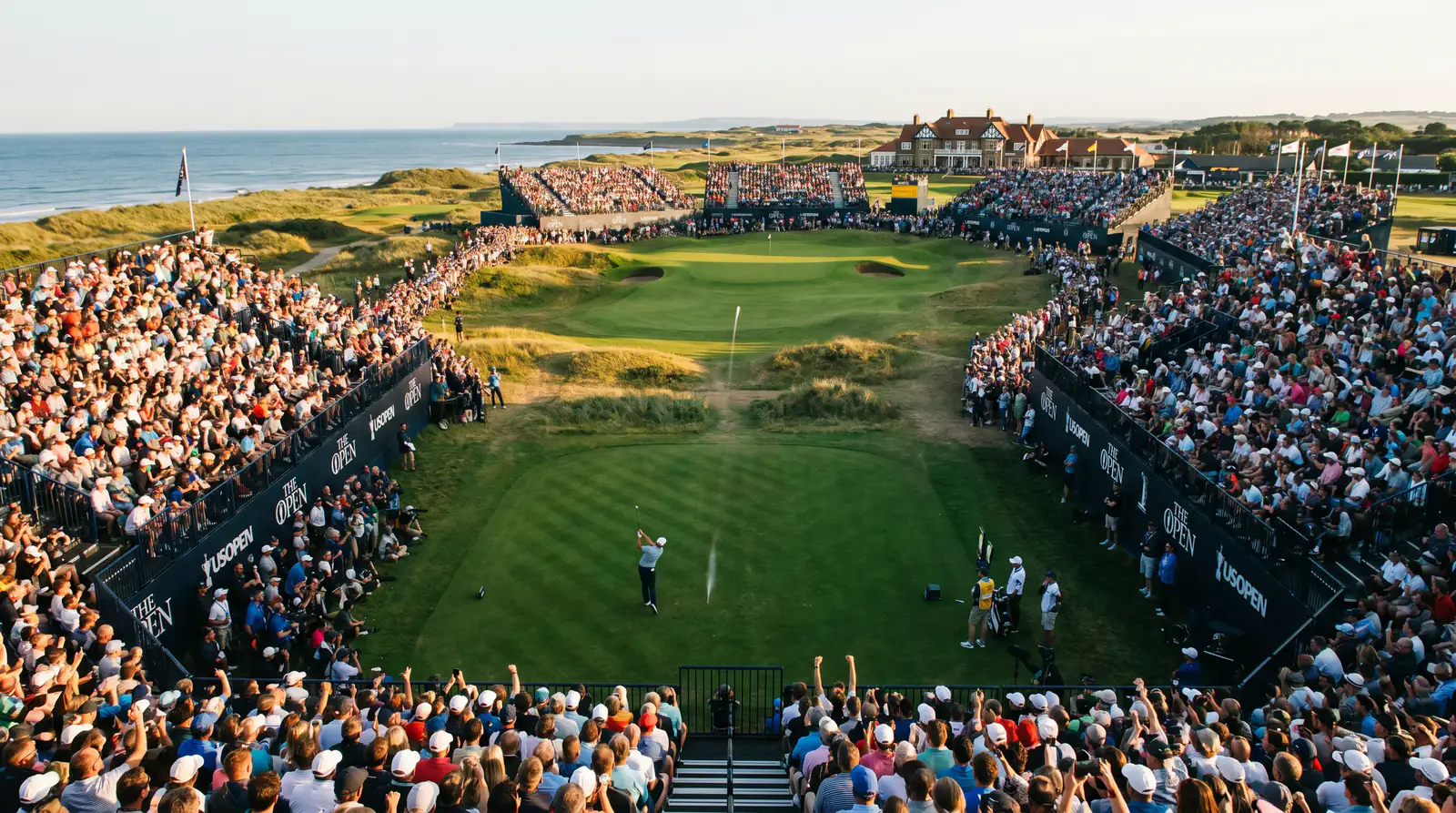
Hole-in-one props deserve special attention because the maths is straightforward. A PGA Tour field of 156 players plays four rounds. Across the tournament, the total number of par-three shots is typically between 1,800 and 2,400, depending on the number of par threes on the course and how many players make the cut. The average probability of a tour professional making a hole-in-one on any given par three is roughly 1 in 2,500. Multiply that by the total number of par-three shots, and the expected number of aces per tournament falls between 0.7 and 1.0. In practice, the “yes” on a hole-in-one prop is usually priced around 6/4 to 2/1, which can represent value when the course features short, accessible par threes with receptive greens.
The 108 million golfers playing worldwide in 2026 generate enormous recreational interest in these novelty props, especially during major championship week. That recreational flow pushes the margins wider, but it also means the “no” side of novelty props is occasionally underpriced when the public piles onto “yes” for entertainment value.
Building a Props Portfolio Across the Season
The real power of prop betting is portfolio construction. Rather than placing one or two large bets per tournament, you assemble a collection of smaller positions across different prop types — a top-20 here, a make-the-cut there, a scoring total prop that expresses your weather view. Each individual prop has positive expected value, and the diversification across different bet types reduces your overall variance compared to a pure outright strategy.
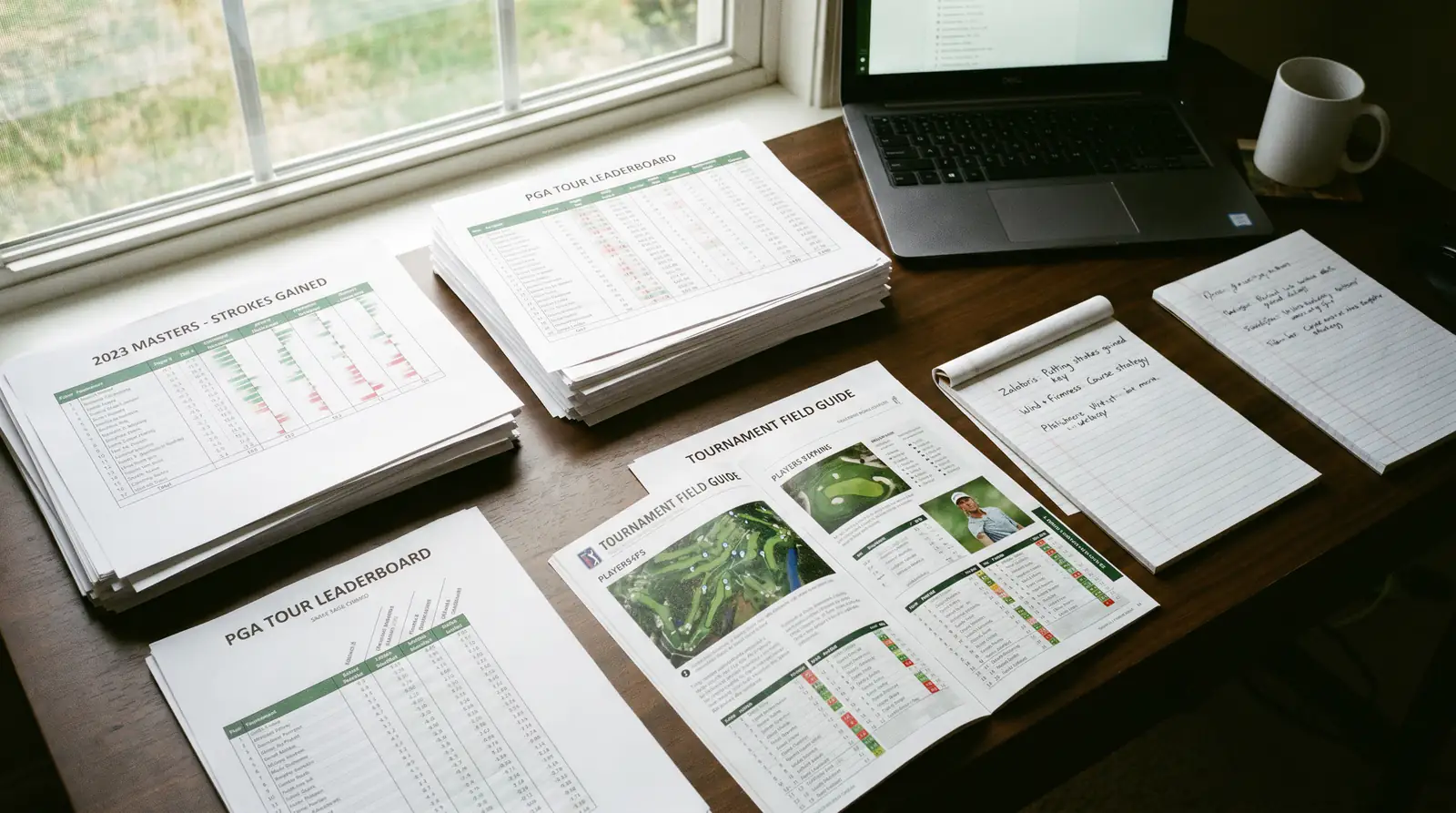
I allocate roughly 40% of my weekly golf betting budget to props and 60% to outrights and each-way bets. Within the props allocation, I spread across three to five selections per tournament. The discipline is the same as with any other bet type: every prop must clear the value threshold before it earns a spot in the portfolio. A top-10 prop at 5/2 is only a bet if my model gives the player a top-10 probability above 28%. The prop format does not change the fundamental requirement of positive expected value — it simply gives you more markets in which to find it.
Are golf prop bets available for every PGA Tour event?
Major UK bookmakers offer player positional props (top 5, top 10, top 20, make-the-cut) for all standard PGA Tour events and most DP World Tour events. Scoring props and novelty markets are more widely available during major championships and Signature Events. Market depth varies by bookmaker, so compare offerings across two or three platforms for the widest selection.
Do props carry lower variance than outright bets?
Yes, by a significant margin. A top-20 prop on a well-selected player has a probability of roughly 25–40%, compared to a 2–5% implied probability on a typical outright selection. That higher base probability means results converge toward your expected return faster, which makes props an effective way to build consistent returns over a season while using outrights for the high-payoff opportunities.
