
 Available in US
Content
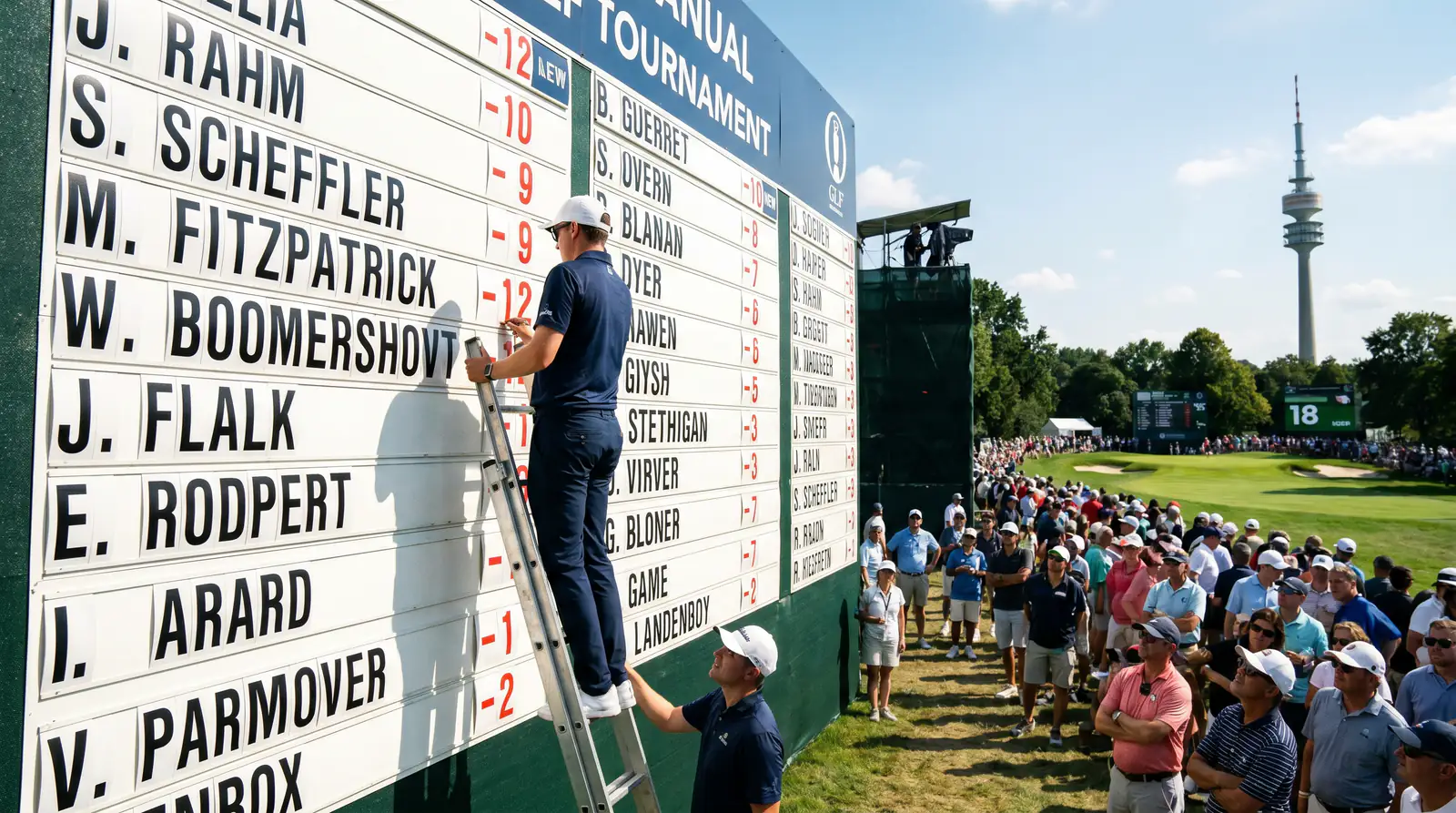
When the Tournament Starts, the Real Betting Begins
I used to treat live golf betting as entertainment — a way to stay engaged during a slow Saturday afternoon. Then I started tracking my in-play results against my pre-tournament bets, and the numbers were striking. My in-play return on investment was higher across two full seasons. The reason was not that I am a better live bettor; it is that the information advantage shifts dramatically once the tournament is underway.
Pre-tournament, you are pricing a 156-player field over 72 holes based on historical data and projections. Once the first ball is struck, you have live scoring data, real-time weather conditions, observed course behaviour, and visible form signals that no model could have captured in advance. A player’s body language on the range, the speed of the greens that morning, a pin position that is two yards tougher than expected — all of this information is available to you and to the market, but the market cannot process it as quickly as an attentive observer.
The After-Round-One Sweet Spot
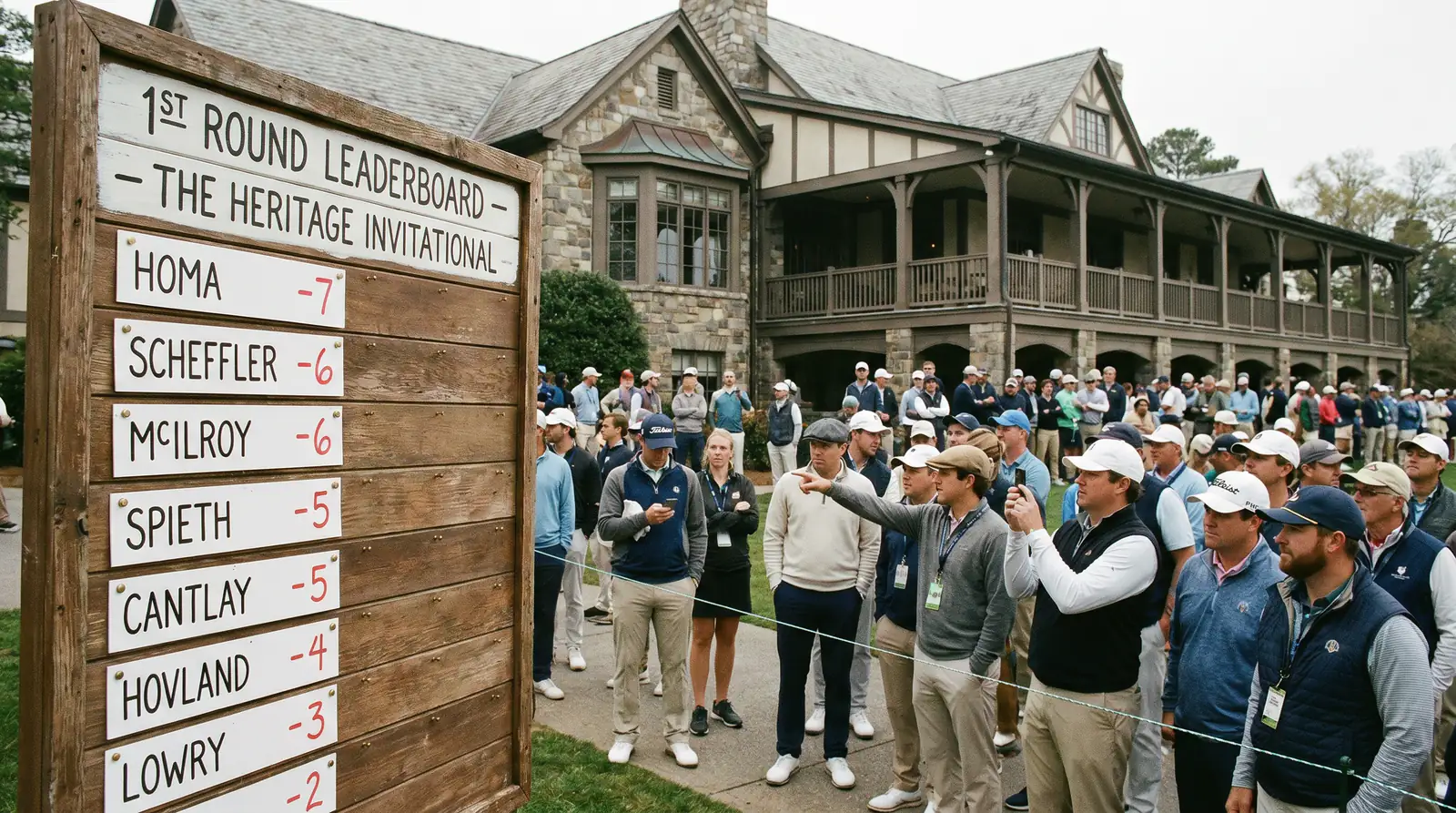
The single best live-betting window in golf is the 30 minutes after the first round is complete and all scores are posted. At that moment, the outright market reprices to reflect 18 holes of actual data, and the adjustments are often crude. A player who shot 65 sees his odds collapse, sometimes beyond what his underlying performance justifies. A player who shot 72 drifts to a longer price, even if his ball-striking numbers suggest the score was unlucky — perhaps he hit 16 greens in regulation but three-putted twice and lipped out from four feet on the 18th.
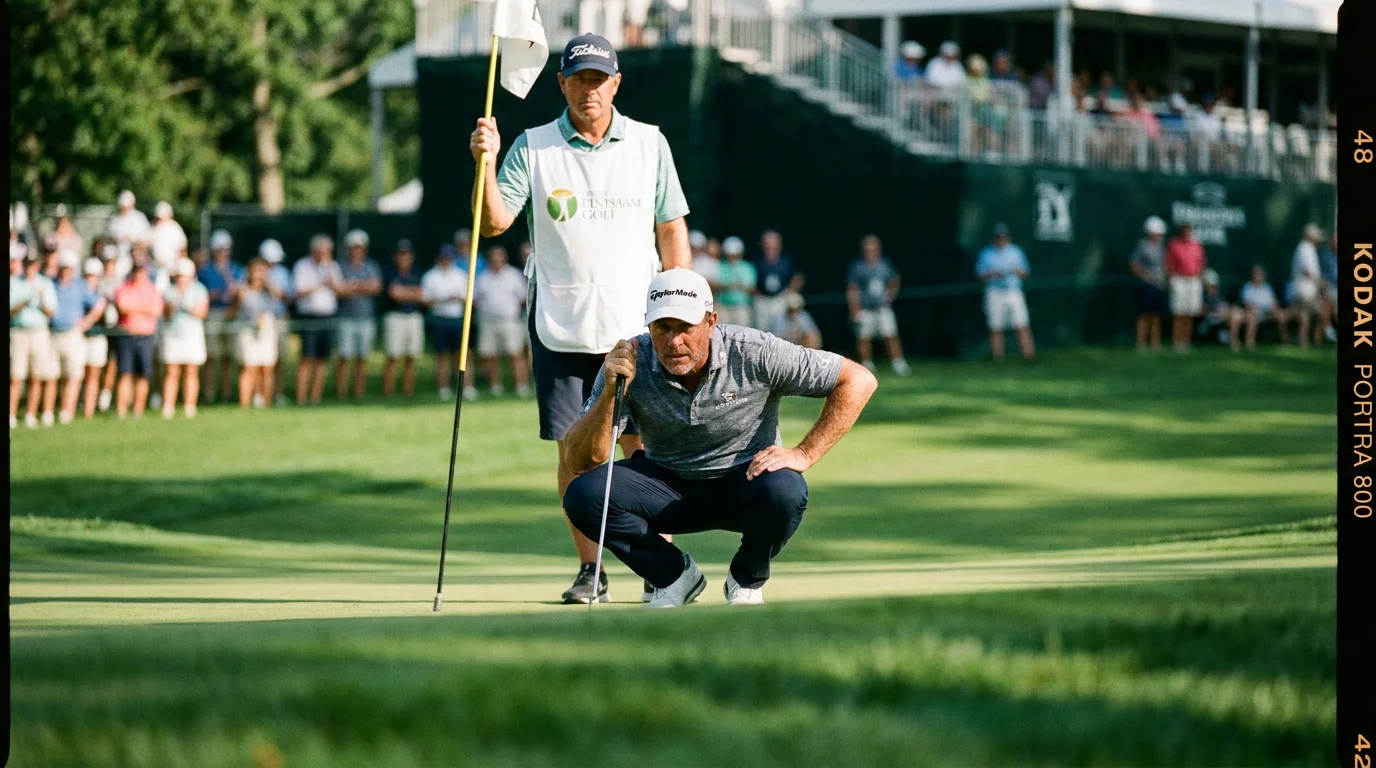
I focus my after-round-one analysis on two categories. First, players whose scores were significantly worse than their ball-striking suggested — the “unlucky 72s” who played well but putted poorly on the day. Putting is the most volatile Strokes Gained component, and a player who lost two strokes on the greens on Thursday is overwhelmingly likely to regress toward his average on Friday. His price has drifted because of the scorecard, but the skills that predict future scoring are intact. Second, I look for players who are well-positioned but have been ignored by the market because a bigger name sits atop the leaderboard. If a steady, in-form player is sitting at three under par after round one, but the market is fixated on the star at seven under, the steady player’s 40/1 in-play price might represent better value than the star’s 4/1.
In-Play Matchups and Round-Specific Markets
Outright in-play is not the only option. Round-specific matchups — betting on which of two players will shoot the lower score in round two, three, or four — offer a different risk profile. These bets settle within hours rather than days, the variance is lower because you are comparing two players rather than 156, and the information edge is sharper because you know who is playing well and who is struggling in real time.
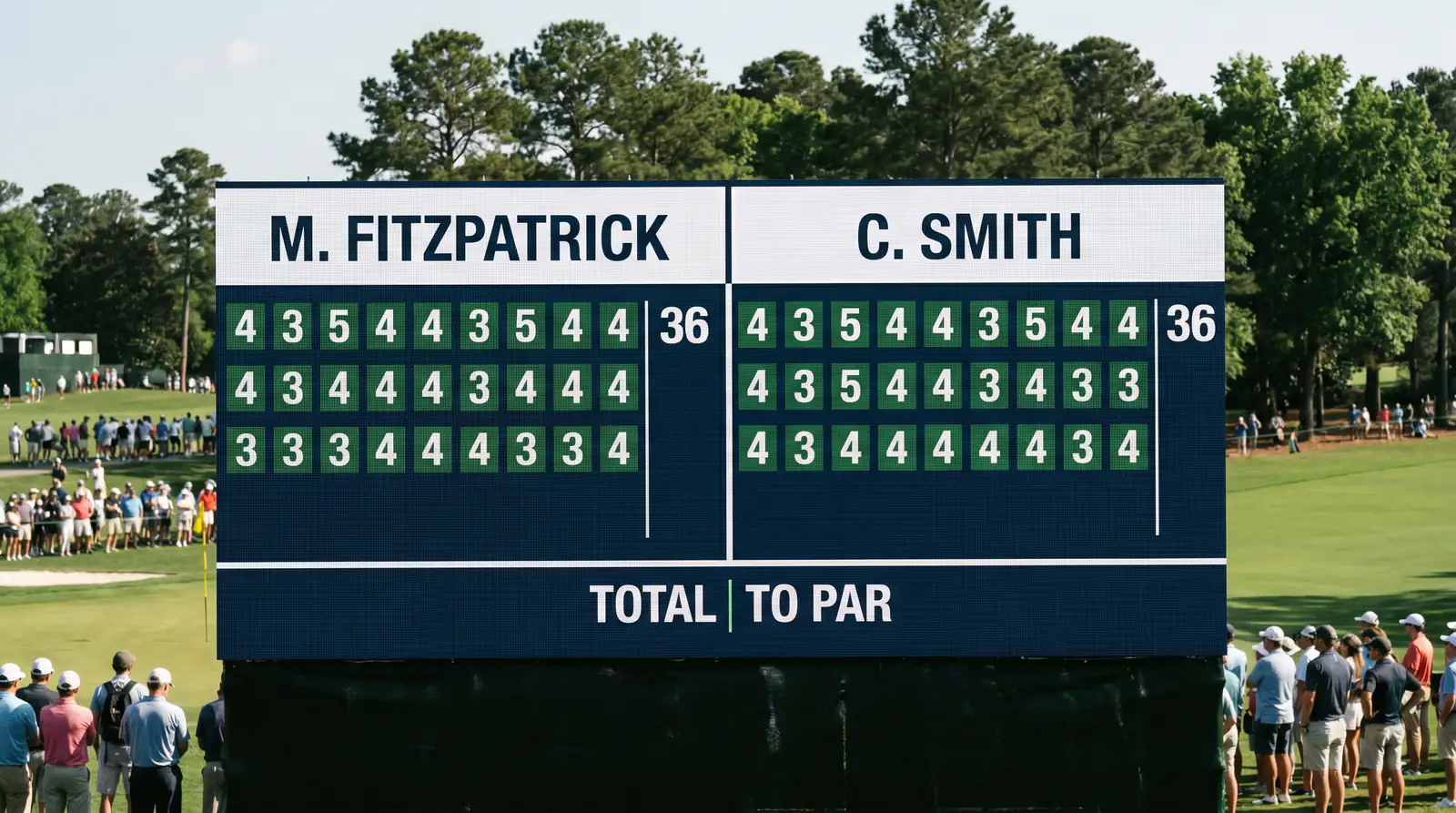
I use round-specific matchups most aggressively on Saturday and Sunday, when the cut has been made and the remaining field is separated into a clear leaderboard hierarchy. The bookmaker prices Saturday matchups partly on overall tournament position and partly on projected round performance. If a player sitting 30th on the leaderboard is matched against a player sitting 25th, and I believe the 30th-placed player has better ball-striking metrics and is overdue for a scoring round, the matchup price can offer value that the outright market does not. Golf betting handles have grown 20% year on year through 2025, and in-play matchups are one of the fastest-growing segments within that expansion.
Managing the Speed and Temptation of Live Markets
Here is the honest truth about live golf betting: the biggest risk is not analytical — it is behavioural. A four-day golf tournament offers hundreds of in-play markets across every round, every group, and every scoring prop. The temptation to bet constantly is enormous, and I have fallen into that trap more than once. A slow front nine becomes an excuse to place a “recovery bet.” A promising position after 36 holes triggers an impulsive outright top-up. Before you know it, your total exposure for the week has blown past any reasonable bankroll allocation.
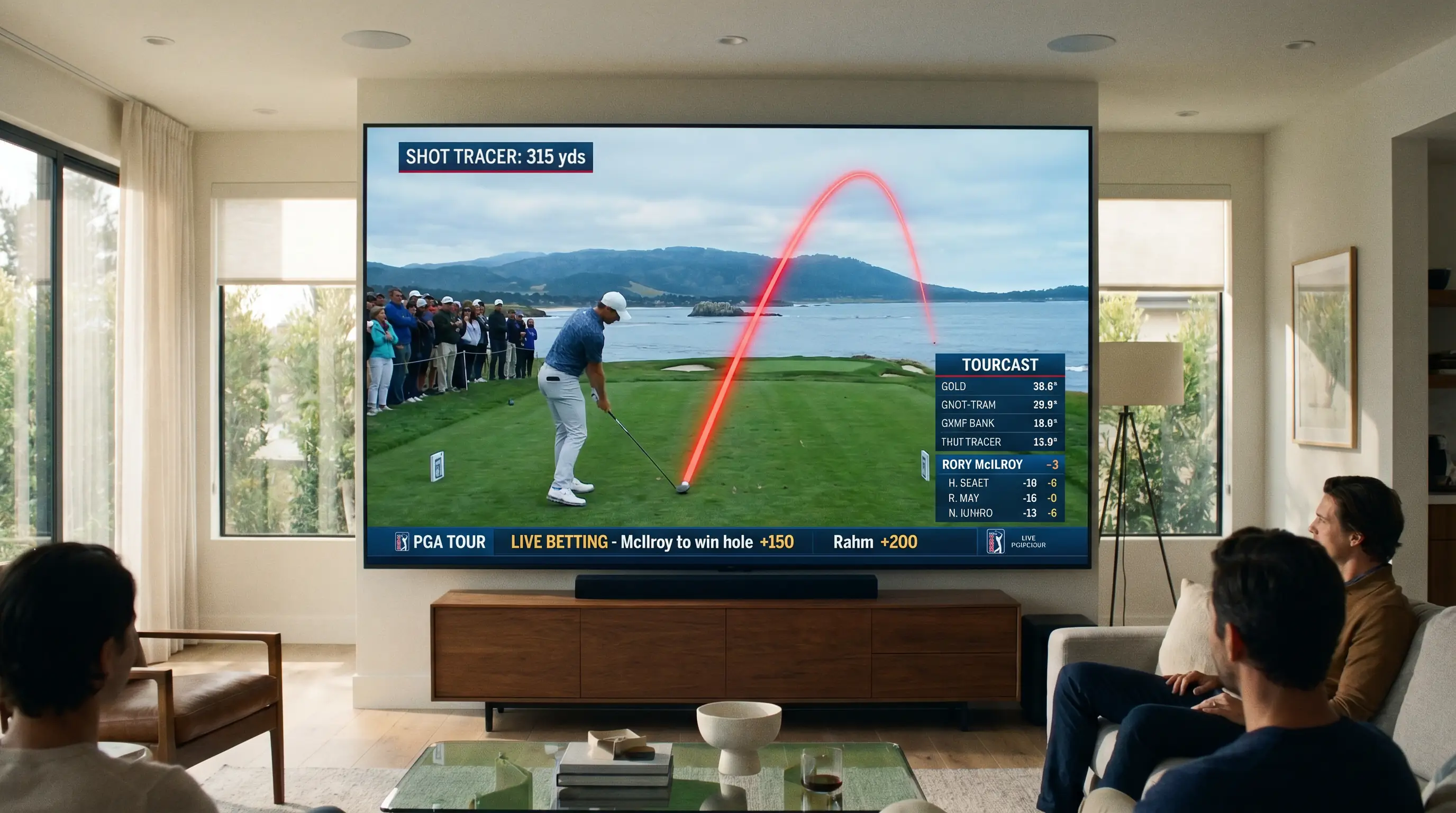
My solution is structural: I pre-define my in-play budget for each tournament as a separate line item from my pre-tournament bets. That in-play budget covers all live wagers — outright top-ups, round matchups, and any hole-by-hole micro bets if I am watching a Betcast. Once the budget is spent, I stop. No exceptions. The PGA Tour Betcast expanded to more than 400 hours across twelve tournaments in 2026, and the immersive viewing experience makes it even easier to over-bet. The discipline has to come from the budget structure, not from willpower in the moment.
The second rule: I do not bet live without watching. This sounds obvious, but many punters place in-play golf bets based purely on leaderboard numbers and odds movements without actually seeing the golf. If I am not watching the broadcast or following a live shot tracker, I do not have the informational edge that justifies the bet. In-play is not a licence to bet more; it is a format that rewards paying close attention and calculating implied probabilities against your own assessment in real time.
Sunday Back Nine and Closing Value
The final nine holes of a golf tournament are where live betting gets genuinely interesting. The field has been cut to the top 60 or 70 players, the leaderboard is compressed, and every birdie or bogey reshuffles the outright odds. I have seen a player’s in-play outright price swing from 12/1 to 40/1 and back to 8/1 across the space of four holes on a Sunday afternoon.

The key to Sunday back-nine betting is identifying which price movements are justified and which are overreactions. A bogey on the 12th hole might drop a player from first to third on the leaderboard, and his price doubles. But if the bogey came on the hardest hole on the course and his next three holes are birdie opportunities, the price drift is an overreaction. Conversely, a birdie that moves a player into the lead on the 13th might shorten his price to 2/1, but if holes 14 through 18 are the toughest stretch on the course and the chasers have easier finishing holes, the 2/1 price might be too short.
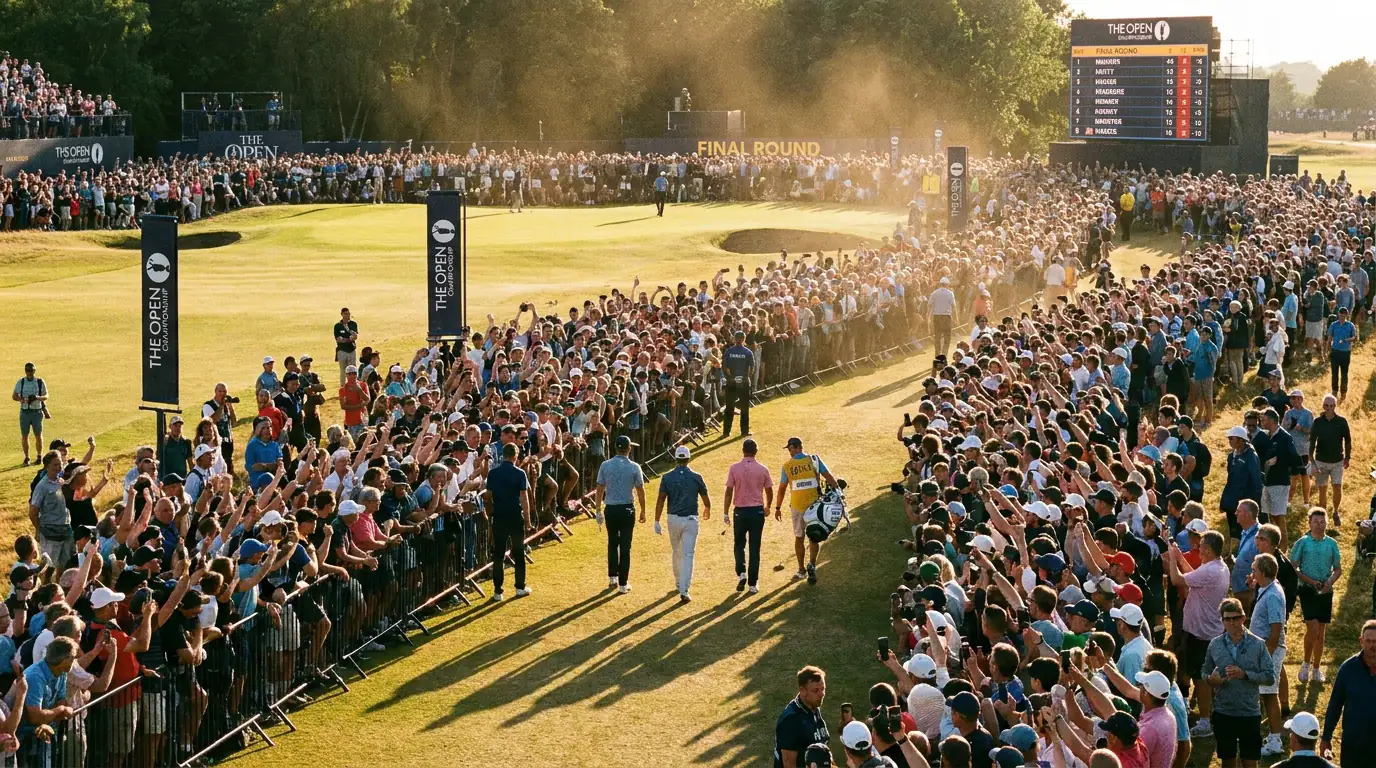
This is where deep course knowledge pays off. Knowing which holes produce scoring swings and which holes hold form allows you to anticipate price movements before they happen. You are not reacting to the leaderboard; you are projecting what the leaderboard will look like three holes from now and betting into the gap between the current price and your projected probability.
When is the best time to place an in-play golf bet?
The strongest informational edge exists immediately after round one completes, when the market reprices based on 18 holes of actual data but has not yet fully digested ball-striking metrics and underlying performance indicators. Saturday and Sunday in-play matchups also offer strong opportunities because the cut has reduced the field and the data is richer.
How much of my bankroll should I allocate to live golf betting?
I recommend treating in-play as a separate budget line from pre-tournament bets. A reasonable allocation is 20–30% of your total weekly golf betting budget. Once the in-play budget is spent, stop — the temptation to chase or over-bet during a four-day event is the single biggest risk in live golf wagering.
