
 Available in US
Content
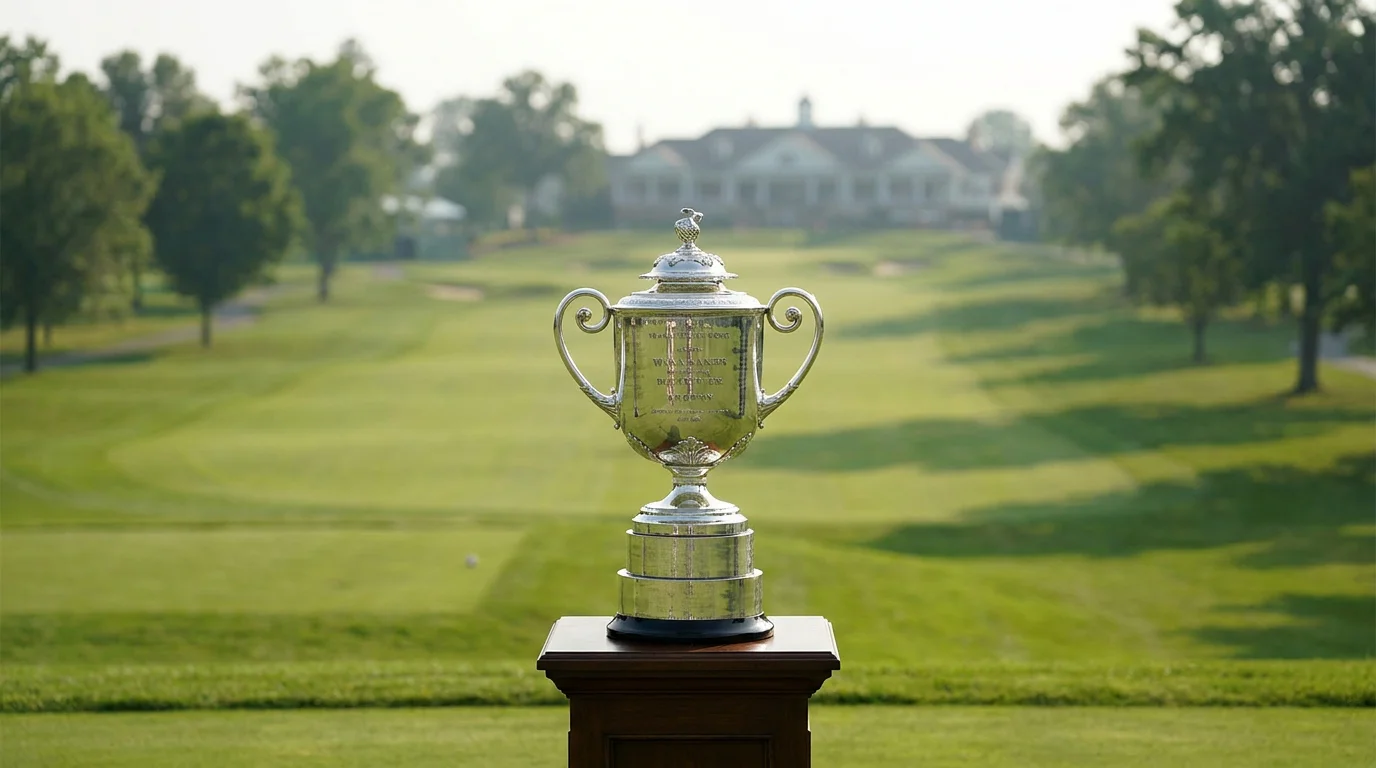
The Major That Plays Like a Regular Tour Event
Every May, a strange thing happens in golf betting circles: punters who have spent weeks building elaborate US Open and Masters models suddenly approach the PGA Championship with far less rigour, as if the Wanamaker Trophy matters less than the green jacket. I did this myself for years. Then I ran the numbers and realised the PGA Championship is the most “bettable” of the four majors precisely because it plays the most like a normal tour event.
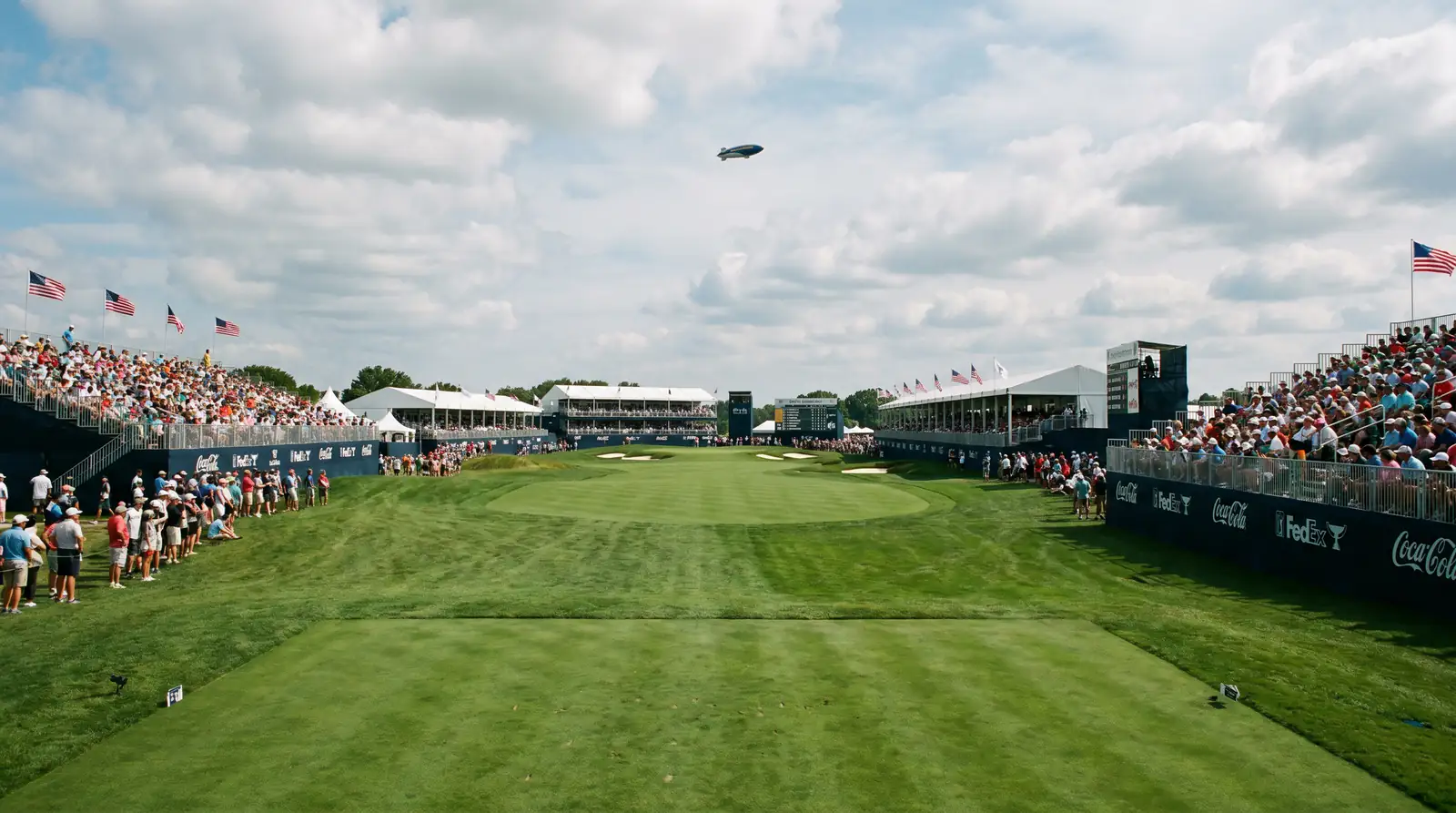
The PGA of America tends to set up its host courses with wider fairways and more accessible pin positions than the USGA’s US Open configurations. The rough is present but not penal, the greens are receptive, and the winning score typically falls in the mid-teens under par — comparable to a strong PGA Tour field event. That means the same Strokes Gained: Total model you use for regular tournaments translates to the PGA Championship with minimal adjustment, which is not true of the other three majors.
Why the Largest Major Field Creates Opportunity
The PGA Championship admits 156 players, making it the largest major field. Compare that to the Masters, which typically invites around 90 players through its highly selective criteria. A bigger field means a wider market, a thicker overround, and more runners in the 40/1 to 150/1 range where bookmakers apply less individual scrutiny. Those mid-field prices are where I have found the most consistent value in PGA Championship betting.

The qualification pathways also matter. The PGA Championship includes 20 club professionals from the PGA of America — players who spend most of their year teaching at clubs rather than competing on tour. These club pros are priced at enormous odds and almost never contend, which inflates the overround without contributing meaningful probability. In practical terms, the market contains 130 to 135 genuine contenders priced across a book that accounts for 156 runners, and the probability assigned to the non-contending tail of the field gets redistributed across every other price. That structural feature means the true odds on mid-field contenders are slightly more generous than the displayed price suggests.
Course Rotation and the Form-Matching Edge
Like the US Open, the PGA Championship rotates between venues — but the rota includes courses that are more representative of standard PGA Tour conditions. Oak Hill, Valhalla, Quail Hollow, and Southern Hills are all courses that have hosted regular tour events, which means the course-form database is richer than at a typical US Open venue. If a player gained three strokes on approach at Quail Hollow during the Wells Fargo Championship, that data translates directly to a PGA Championship held at the same course.
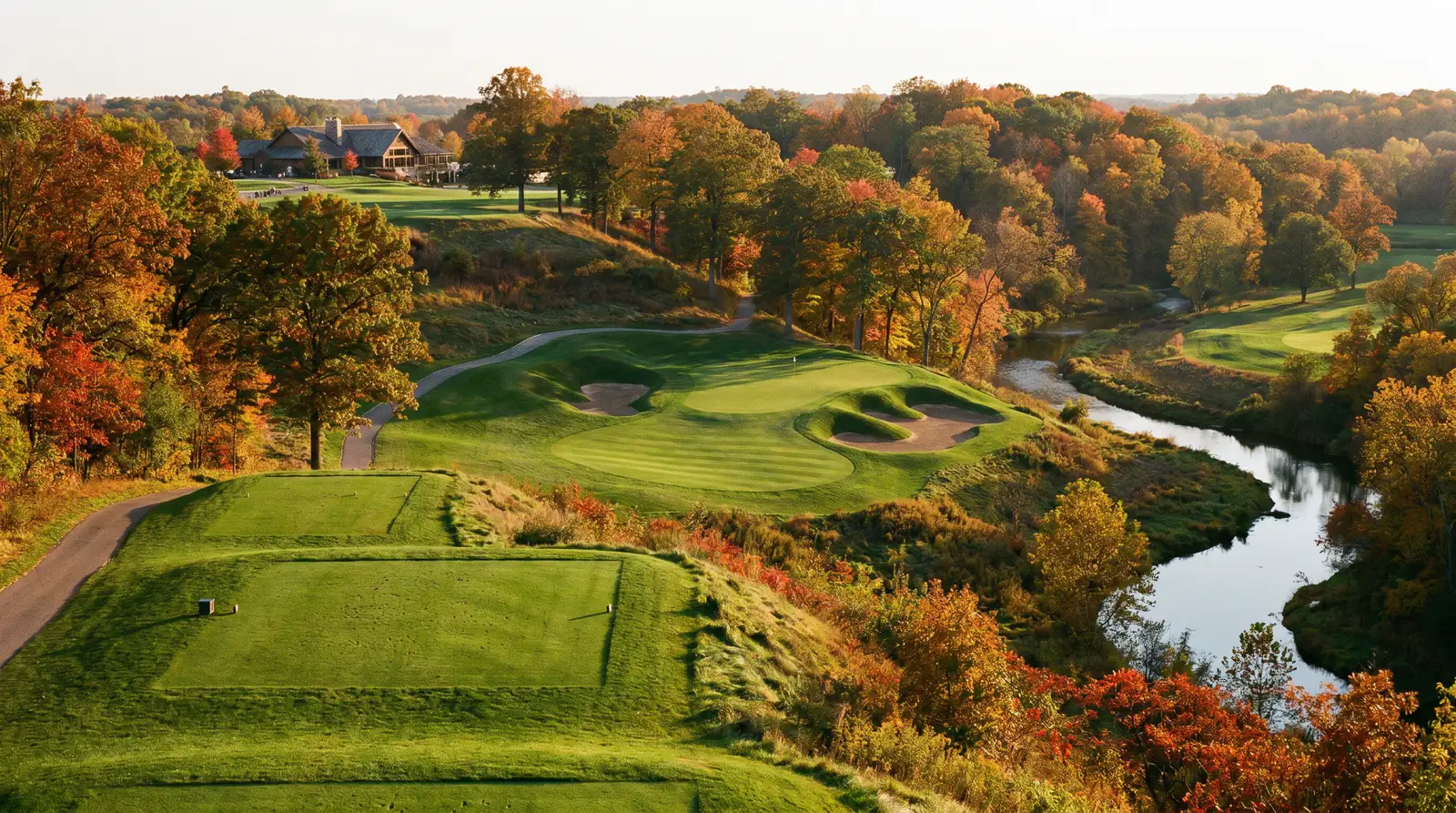
I use a two-layer approach: first, check whether the player has direct experience at the PGA Championship venue from previous tour events; second, if direct data is thin, match the venue’s characteristics to courses where the player has strong course form. A PGA Championship at a long, open course with fast Bermudagrass greens calls for a different player profile than one at a tight, tree-lined northern venue with Bentgrass. The form-matching process narrows a 156-player field to a manageable shortlist faster than any other analytical step.
Timing the Market Around Masters Afterglow
The PGA Championship falls in May, roughly six weeks after the Masters. That proximity creates a pricing dynamic I exploit every year: the Masters winner and top finishers carry inflated market support into the PGA Championship because they are fresh in the public’s memory. Recreational bettors pile onto the recent Masters contenders, shortening their PGA Championship price beyond what the data supports.
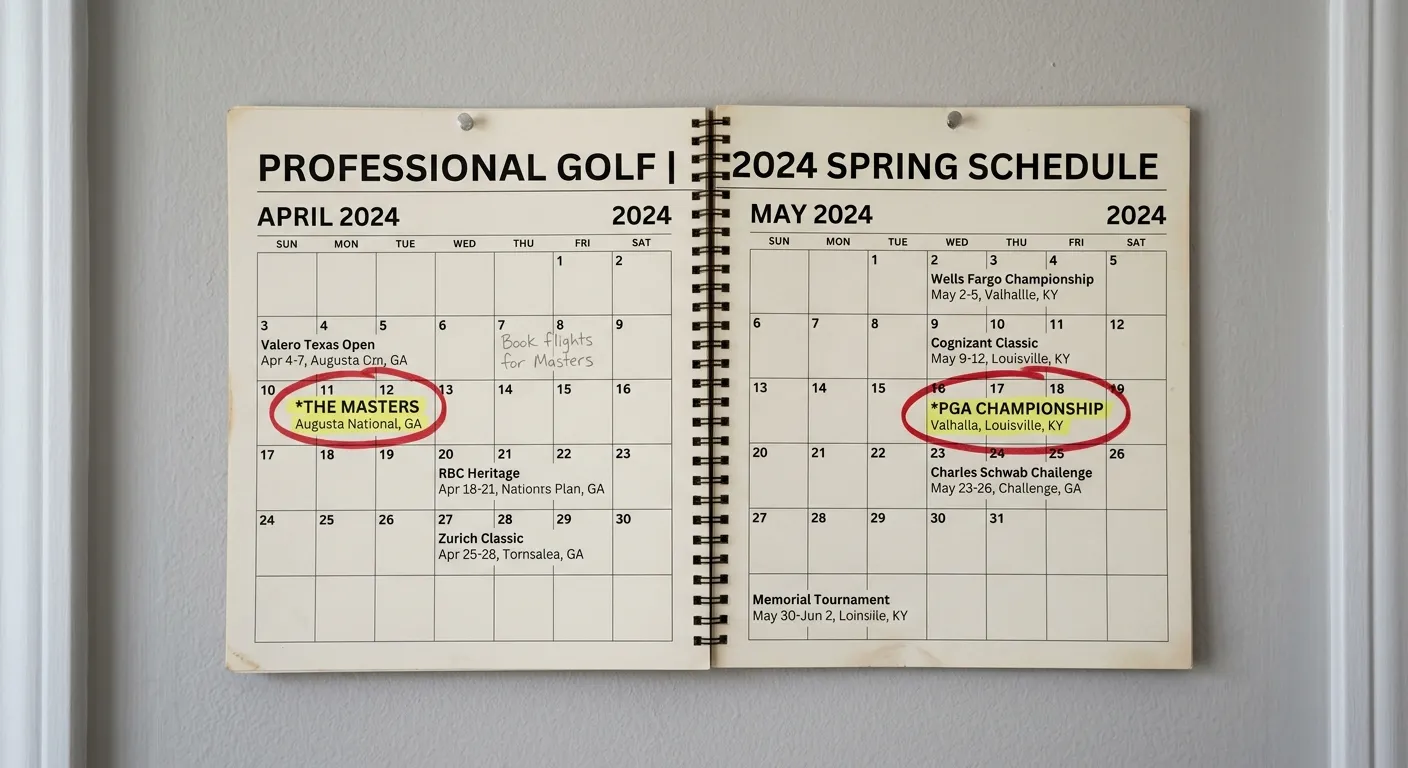
Meanwhile, players who skipped the Masters or missed the cut there are underpriced in the PGA Championship market because they have been out of the spotlight for three weeks. If one of those players has strong underlying numbers and fits the PGA Championship venue, the value can be significant. I backed a player at 45/1 for the PGA Championship a few years ago who had missed the cut at Augusta — a course that simply did not suit his game — and then won by three strokes at a venue that rewarded his specific strengths. The market’s recency bias toward Masters form created the price, and the data created the selection.
The US golf betting market reached $3.5 billion in handle in 2023, and the PGA Championship attracts a disproportionate share of that volume because it falls during the NBA and NHL playoffs, giving sports bettors a crossover event. That extra liquidity from non-specialist golf bettors creates additional inefficiency — money flowing in based on name recognition rather than course-fit analysis.
The Wanamaker Race and In-Play Dynamics
PGA Championship scoring tends to produce dramatic Sunday moves because the accessible setup allows players to make birdies in bunches. A player who is five strokes back entering the final round at a US Open is effectively eliminated; the same deficit at the PGA Championship is entirely bridgeable. I track the historical Sunday comeback rate at PGA Championship venues, and it consistently runs higher than at the other three majors.
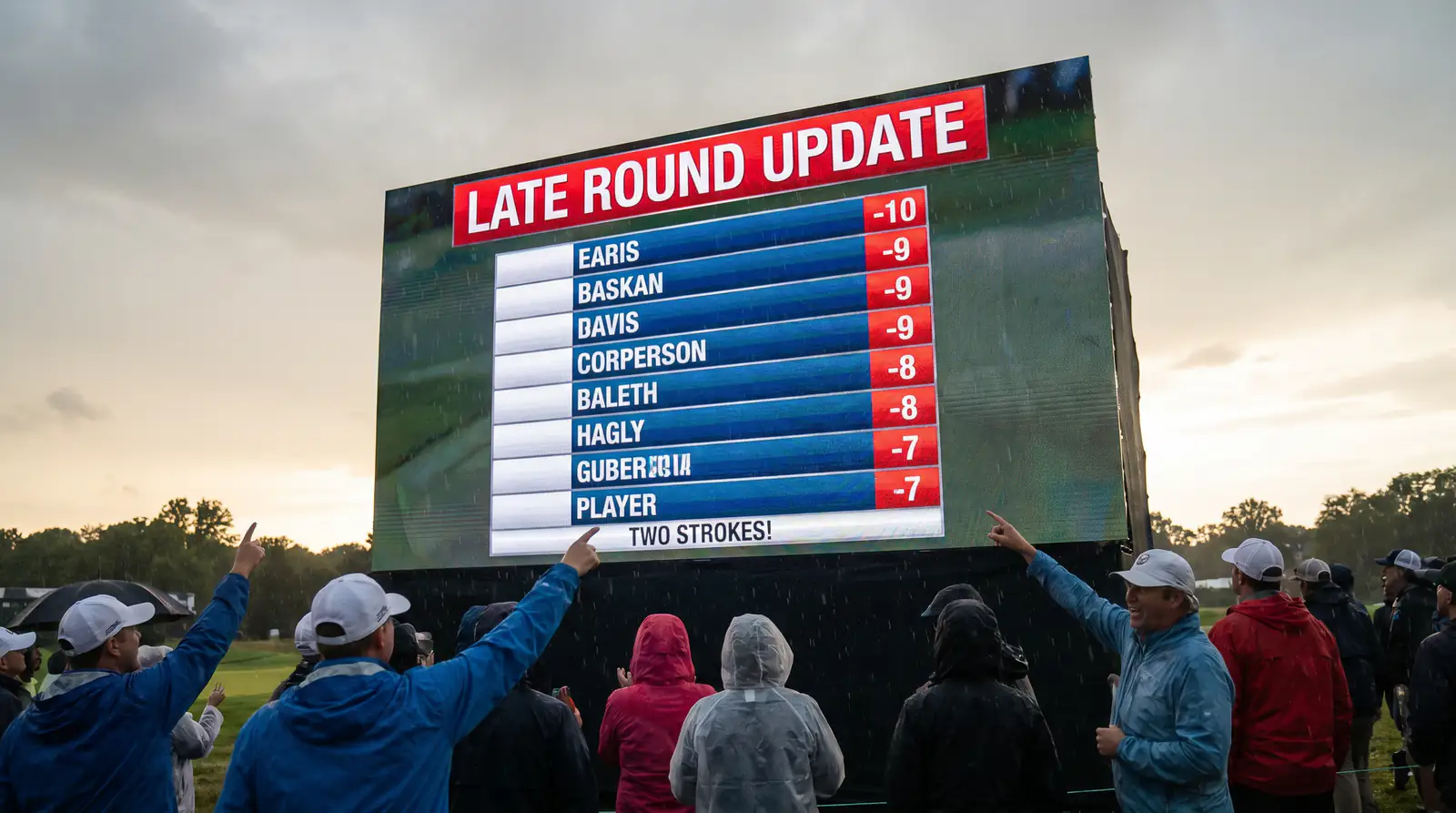
That Sunday volatility creates opportunity in the in-play markets. Outright in-play odds after round three often overvalue the 54-hole leader because the market assumes the leader will close out the win. At the PGA Championship, the closing conversion rate is lower than at the Masters because the scoring conditions allow deep-field charges. I look for players sitting three to six strokes back after Saturday who have strong final-round scoring averages and who fit the course profile. A 20/1 in-play price on a player who is capable of shooting 64 on Sunday is not a longshot — it is a genuine contender whose price reflects position rather than probability.
Is the PGA Championship easier to predict than other majors?
In relative terms, yes. The PGA Championship setup is closer to a standard PGA Tour event than the US Open or The Open, which means conventional Strokes Gained: Total models translate well. The winning score is higher relative to par than at the US Open, which reduces the influence of single-hole disasters and favours the better overall player. However, the 156-player field still introduces substantial variance.
Do club professionals ever contend at the PGA Championship?
Rarely. The 20 PGA of America club professionals in the field typically miss the cut. Occasionally a club pro will make the weekend, which generates headlines, but the skill gap between touring professionals and club pros means a serious contention is extremely unlikely. From a betting perspective, club pros inflate the overround without adding meaningful probability to the market.
