
 Available in US
Content
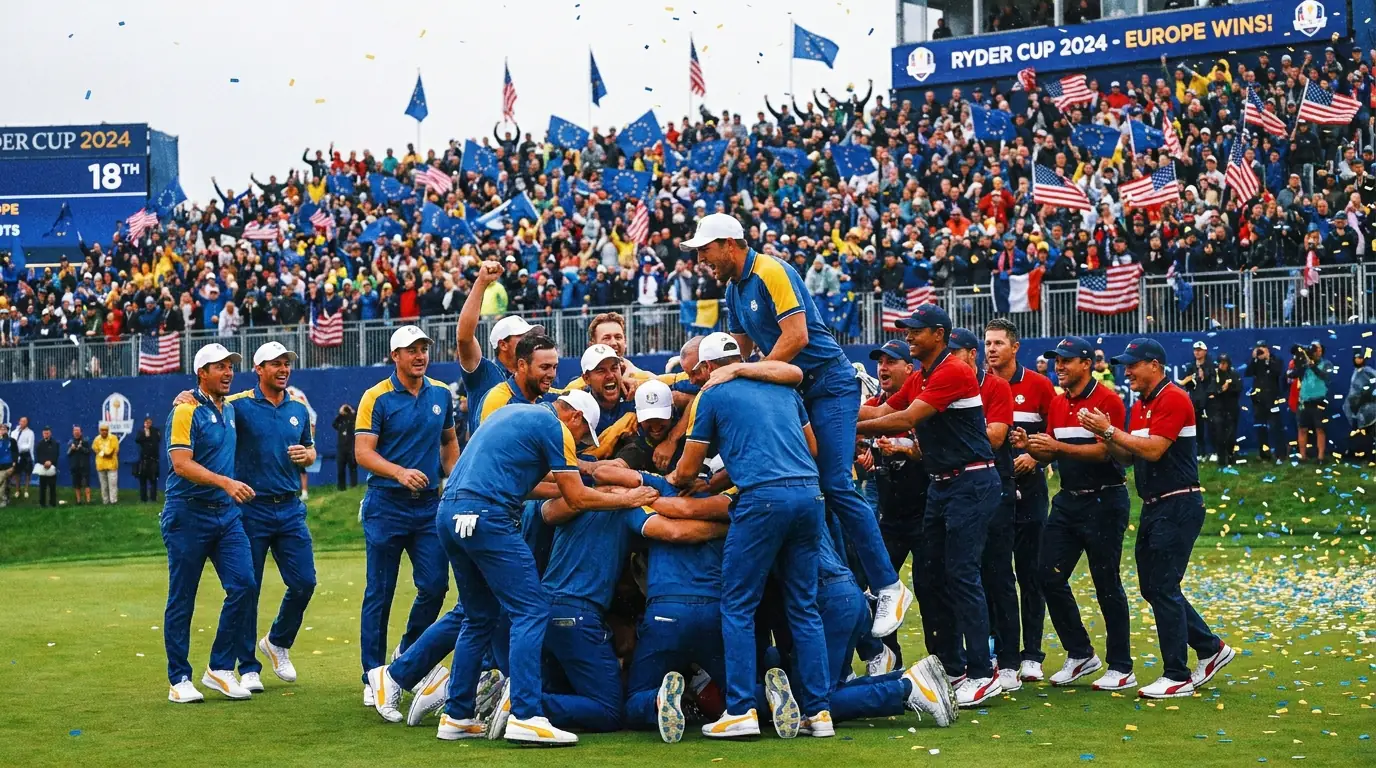
The Week Golf Becomes a Team Sport
I have a confession: the Ryder Cup is the one golf event where my betting brain and my fan brain struggle to coexist. The atmosphere is electric, the format is completely different from anything else in the sport, and the emotional swings across three days can be physically exhausting to watch. It is also one of the most interesting events to bet on precisely because it breaks all the rules that apply to stroke-play tournaments.
The Ryder Cup is match play, not stroke play. Twelve players from Europe face twelve from the United States across foursomes, fourballs, and singles matches over three days. There is no cut, no 156-player field, and no leaderboard in the traditional sense. Each match is worth one point, with half a point for a tie, and the team that reaches 14.5 points wins the cup. That format creates a completely different analytical framework from anything you use in a standard PGA Tour event, and the betting markets reflect that uniqueness.
Team Winner: The Headline Market
The team winner market is the simplest Ryder Cup bet: which team lifts the trophy? Europe and the USA are priced alongside a tie option, and the odds fluctuate in the months leading up to the event based on team qualification, captain’s picks, and perceived momentum. Home advantage is the single biggest factor in Ryder Cup pricing. Since the event alternates between European and American venues every two years, the home team is almost always the favourite — and for good reason. The home team has won roughly 70% of Ryder Cups in the modern era, a sample size large enough to carry statistical weight.
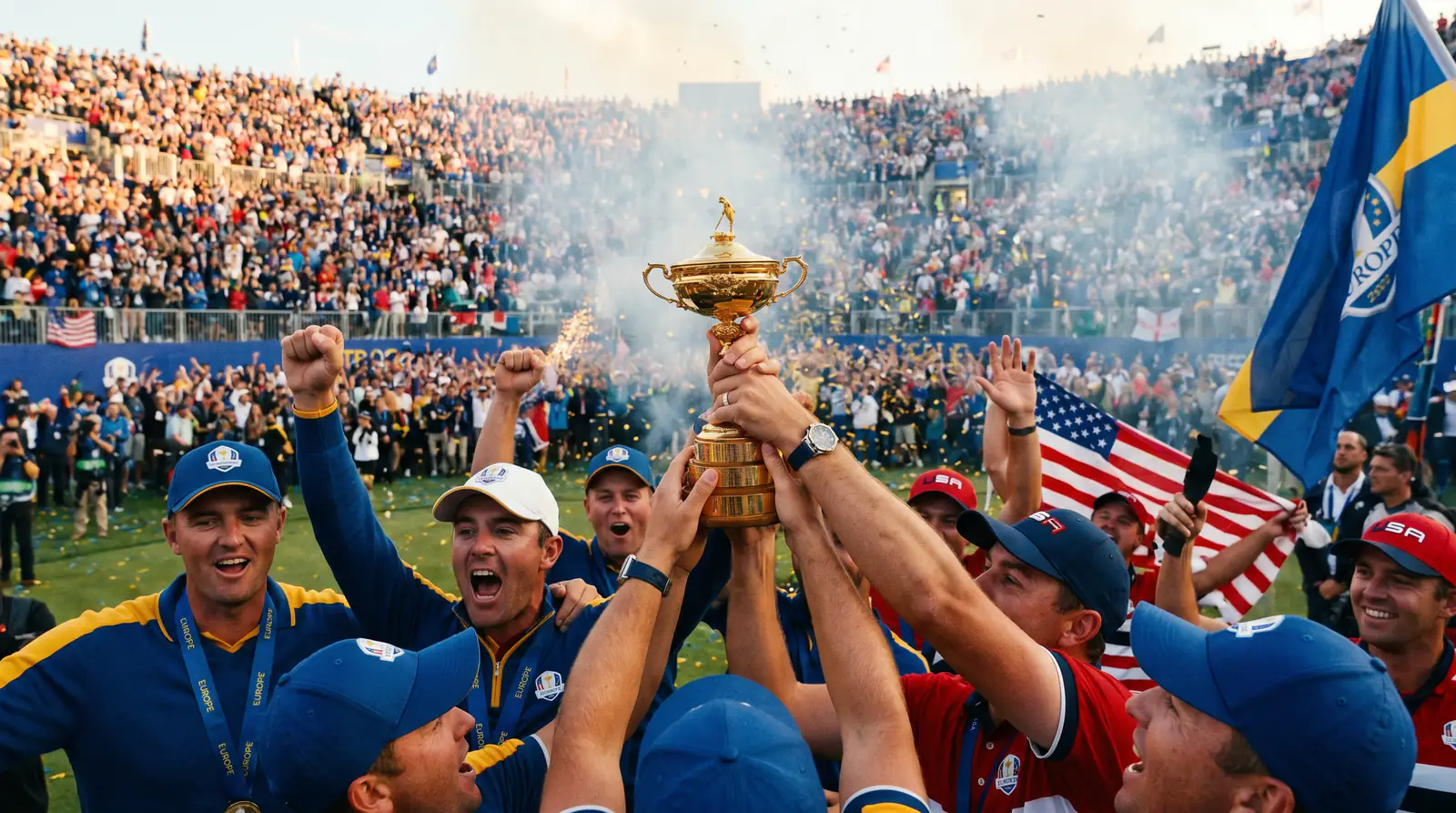
The global golf audience surpassed 450 million viewers in 2025, and the Ryder Cup consistently draws the largest share of that audience. The betting volume reflects the spectacle: Ryder Cup handle dwarfs any individual stroke-play tournament, which means the team-winner market is relatively sharp. I rarely find outright team-winner value that the market has missed. Where I do find value is in the margin-of-victory market: how many points the winning team will win by. A tight Ryder Cup that goes to the final match on Sunday afternoon is priced differently from a dominant performance where one team leads 10–6 going into singles, and the margin market rewards careful assessment of team depth rather than just picking a side.
Session Betting: Foursomes, Fourballs and Singles
The Ryder Cup plays five sessions across three days: Friday morning foursomes, Friday afternoon fourballs, Saturday morning foursomes, Saturday afternoon fourballs, and Sunday singles. Each session produces four points (eight matches in foursomes and fourballs sessions produce four points each, and twelve singles matches produce twelve points). Bookmakers offer session-winner markets for each block, and this is where I concentrate my Ryder Cup betting.

Session markets are priced partly on the overall team strength and partly on the pairings announced by the captains. Captain’s picks for foursomes and fourballs pairings are announced the evening before or the morning of the session, and the market adjusts rapidly. A captain who puts his two strongest players together in the opening foursomes match signals aggressive intent and can shorten the session price. A captain who splits his best players across different pairings is spreading risk and might lengthen the session line.
The analytical challenge is that foursomes — where partners alternate shots — require a different skill set from fourballs, where each player plays their own ball and the team counts the lower score. Foursomes reward consistency and compatibility: two players who hit similar distances and can reliably find fairways. Fourballs reward aggression: one player can attack pins while the other plays safe, creating a best-ball dynamic where risk is mitigated. I assess pairings through the lens of format fit, not just individual ranking. Two world-class players who are both aggressive drivers and mediocre putters might dominate in fourballs but struggle in foursomes where consistency matters more than firepower.
Individual Match Betting and Top Points Scorer
Each individual match within a session carries its own odds. If Europe’s first pairing faces the USA’s first pairing in Friday morning foursomes, you can bet on which pair wins. These markets are priced tightly because the bookmaker has strong data on individual player form, but the pairing dynamic introduces uncertainty that the models handle imperfectly. Two individually strong players who have never played together as a foursomes pair are a different proposition from an established partnership that has played together in multiple Ryder Cups.
Top points scorer — the player who accumulates the most points across all sessions — is a market I find consistently interesting. The captain’s decisions determine how many matches a player participates in: the strongest players typically play four or five of the five sessions, while rotation candidates play three or four. A player who the captain trusts to play all five sessions has a structural advantage in the top points scorer market simply by having more opportunities to accumulate points. I look for players who are established captain’s favourites, who have a track record of playing every session, and whose game suits both foursomes and fourballs.
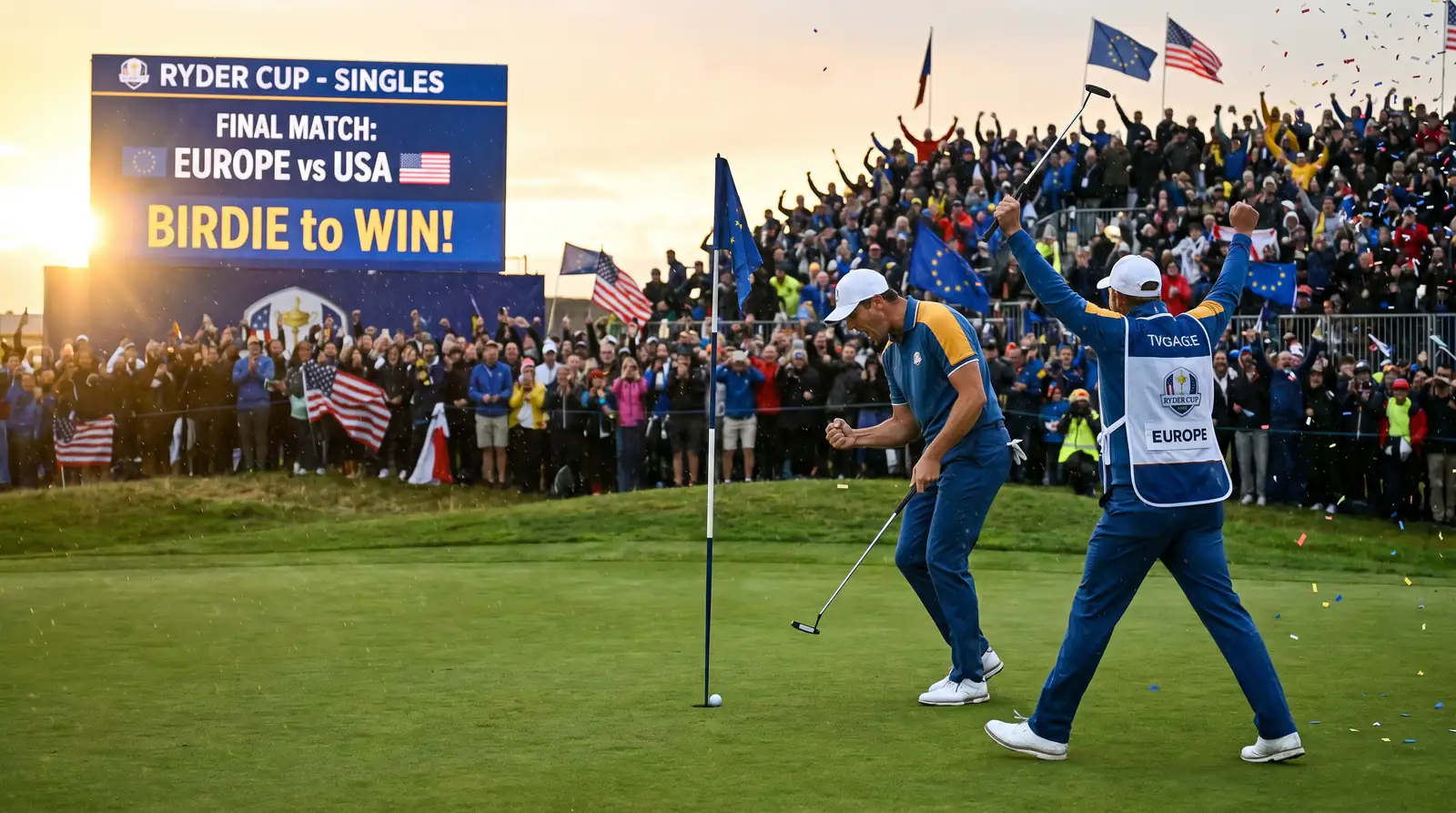
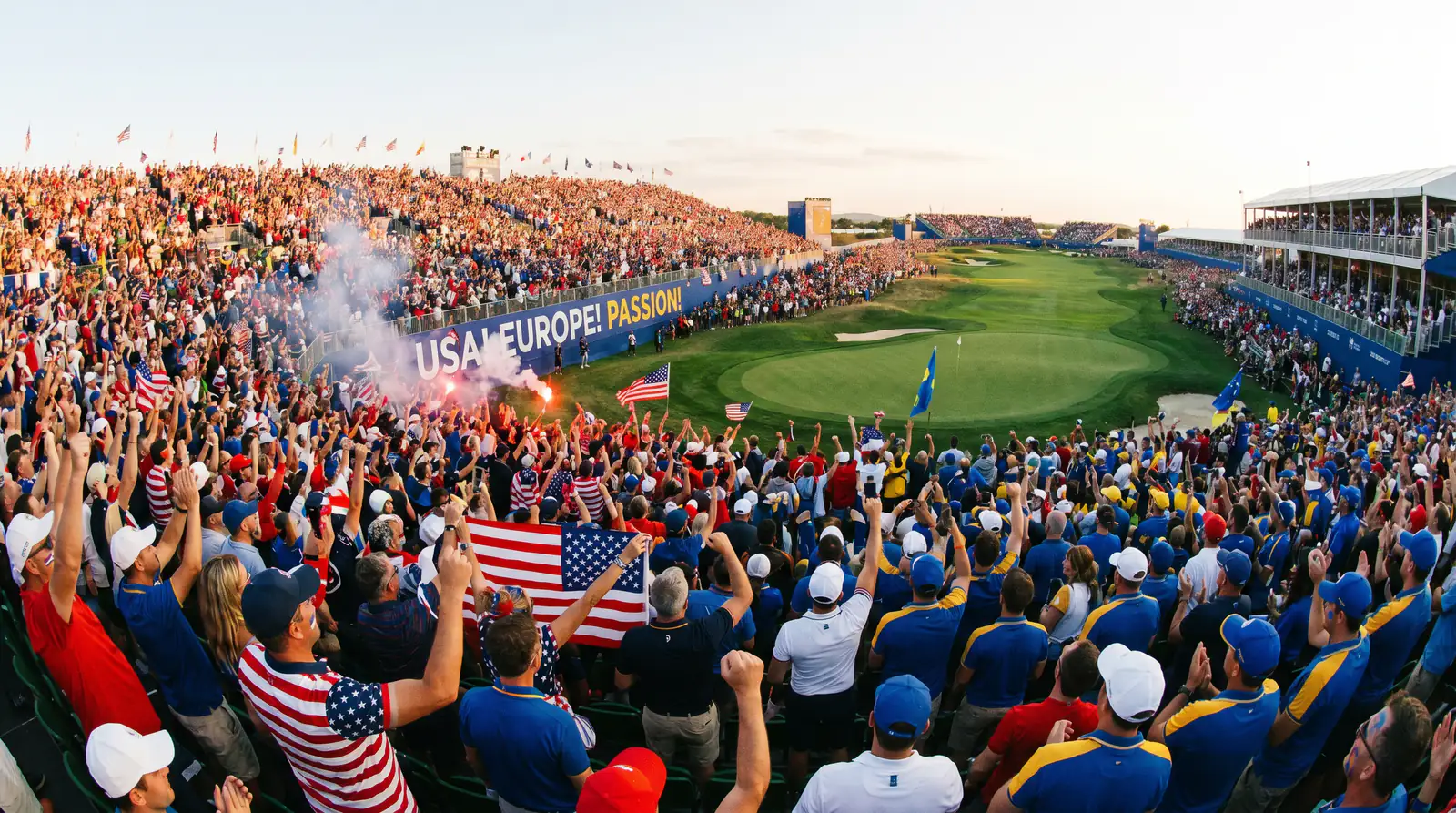
The 108 million people playing golf worldwide in R&A-affiliated markets represent a massive audience for the Ryder Cup, and that audience skews European — which means UK bookmakers see disproportionate support for the European team. When Europe is at home, the recreational money piles in, and the USA’s prices can drift to value levels. When the Ryder Cup is in the US, the opposite occurs: European support remains strong but is diluted by American recreational money flowing the other way, and the home-advantage premium on the USA price sometimes overcompensates for the genuine edge.
How the Biennial Format Creates Pricing Quirks
The Ryder Cup happens every two years, which means the data sample is tiny compared to weekly PGA Tour events. That scarcity creates genuine pricing challenges for bookmakers and genuine opportunity for bettors who study Ryder Cup dynamics closely. Form from the most recent Ryder Cup is two years old; form from the one before that is four years old. Players age, improve, and decline across those intervals. A player who was a Ryder Cup hero at 28 might be a different proposition at 32.

I weight recent stroke-play form more heavily than Ryder Cup-specific history for individual match betting, but I weight Ryder Cup experience heavily for the intangible factors: how a player handles the crowd, the pressure of match play, and the responsibility of representing a team. Players who thrive in Ryder Cup environments — who are visibly energised by the atmosphere rather than overwhelmed by it — consistently outperform their stroke-play ranking in match-play settings. That intangible is hard to quantify, but the market underprices it because the models do not account for it.
The biennial gap also means that captain’s picks carry outsized importance. A captain who selects a player on form rather than reputation can create immediate value in the individual match markets, because the market’s initial pricing will reflect the pick’s world ranking rather than their current trajectory. If a captain picks a rising player ranked 30th in the world who has been playing the best golf of his career, and the market prices him as a 30th-ranked underdog in his individual matches, the value is real.
Can I bet on individual Ryder Cup matches or only the overall result?
Both. UK bookmakers offer team-winner, session-winner, individual match betting, top points scorer, and various prop markets for the Ryder Cup. Individual match odds are typically posted once the captain announces pairings for each session, and they can shift rapidly based on the announced line-up.
How does home advantage affect Ryder Cup betting odds?
Home advantage is the dominant factor in Ryder Cup pricing. The home team has won approximately 70% of modern Ryder Cups, and the market reflects this by making the home team a clear favourite. The advantage comes from crowd support, course setup familiarity, and the motivational boost of playing in front of a partisan home gallery. When Europe hosts, the USA’s price typically drifts to a range that can represent value if the American team is particularly strong on paper.
