
 Available in US
Content
The Appeal of a One-Round Market
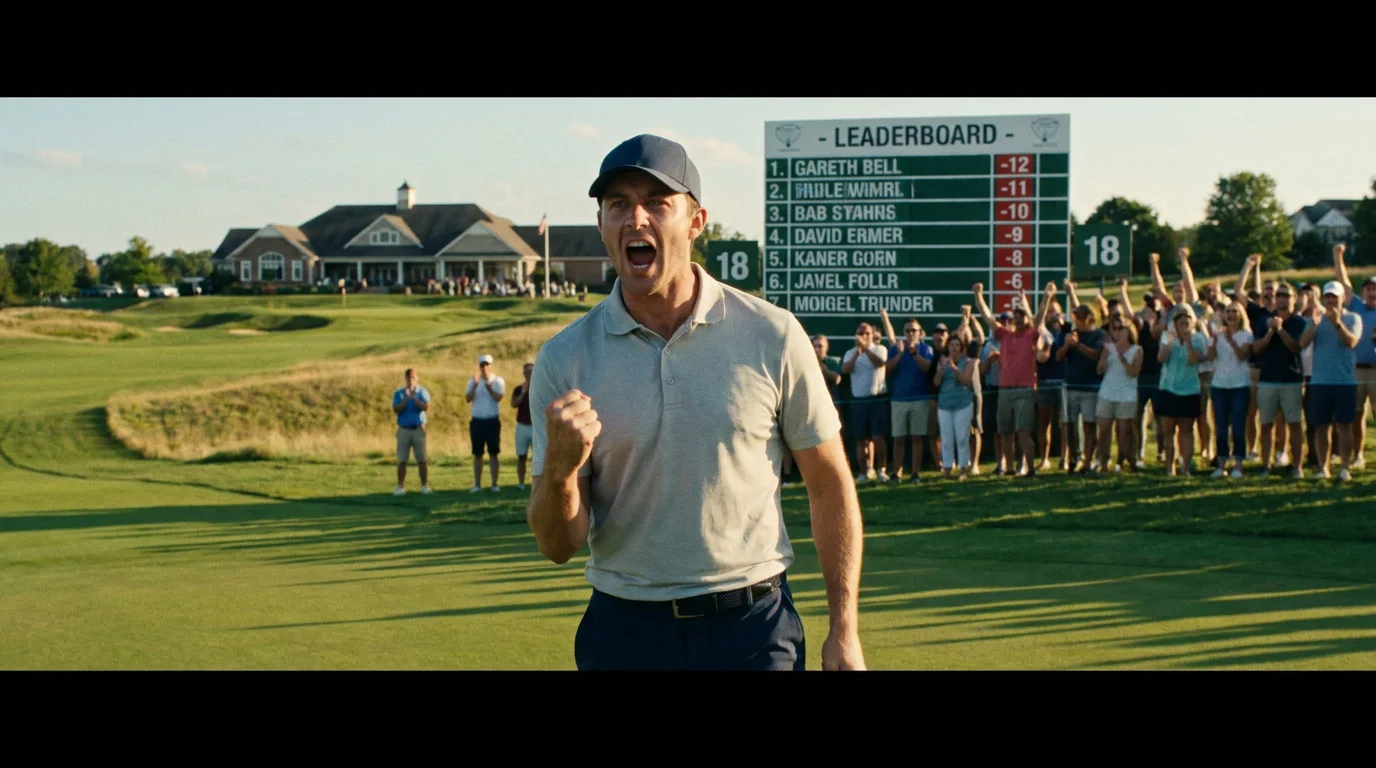
There is something deeply satisfying about settling a bet before the weekend even starts. First round leader — FRL — is a one-day market that resolves on Thursday evening, long before the cut is made or the trophy is lifted. I began taking it seriously after noticing that certain players who rarely contended for outright wins were consistently posting low opening rounds. The pattern was unmistakable: some golfers are Thursday specialists, and the FRL market lets you profit from that tendency without needing them to sustain it for 72 holes.
The global golf audience exceeded 450 million viewers in 2025, and the growing attention on early-round coverage has made FRL one of the most liquid single-round markets in the sport. Bookmakers now offer FRL pricing for most PGA Tour events, DP World Tour events and all four majors. With total PGA Tour prize money at $450 million for the 2026 season, the quality of fields is high every week — which means 156-player fields where the opening round often sees a cluster of players at five or six under par. That clustering is both the opportunity and the risk.
How the First Round Leader Market Works
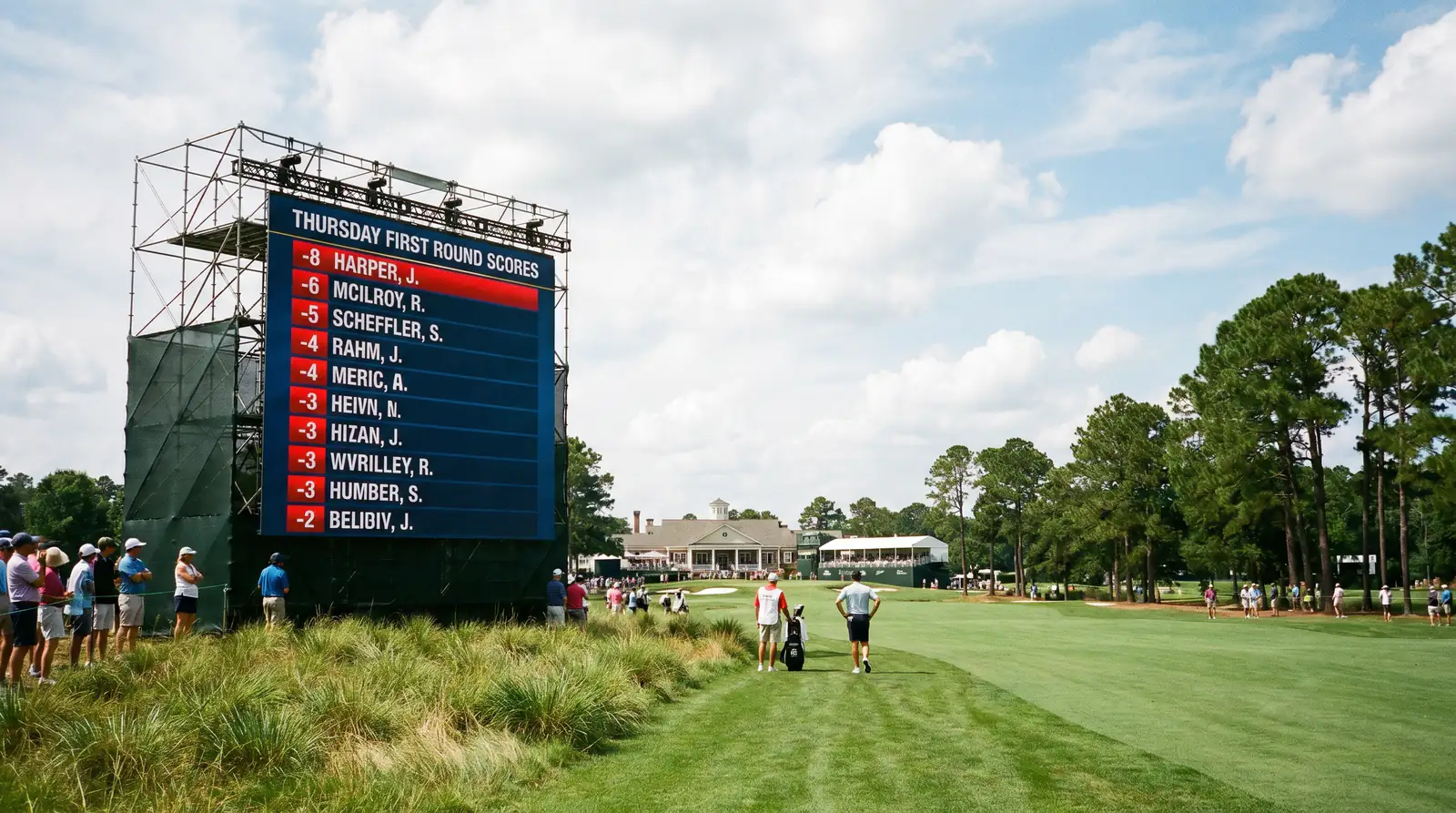
The market is straightforward: which player will hold the outright lead after the first round? If one player shoots 63 and nobody else beats it, they are the first round leader and your bet wins. If two or more players share the lowest score, dead heat rules apply — and in a field of 156 players starting across an eight-hour tee-time window, shared leads happen with uncomfortable frequency.
FRL odds for favourites typically range from 14/1 to 20/1 at a standard PGA Tour event. That alone tells you something about the market’s difficulty. Even the best player in the field is given only a 5–7% implied chance of leading after day one. Mid-field players sit at 40/1 to 80/1, and the tail extends past 150/1 for the lowest-ranked entrants. Compared to outright markets where the favourite might be 6/1 or 8/1, FRL odds are longer because the variance in a single round is much higher than across four.
The market usually opens on Monday or Tuesday and remains available until the first tee shot on Thursday morning. Some bookmakers offer early-round in-play FRL odds that adjust as scores come in, though the liquidity is thinner than pre-round pricing.

Player Traits That Favour FRL Bets
After tracking FRL results across three full PGA Tour seasons, I have identified a profile that correlates with first-round performance. It is not about who is the best golfer overall. It is about who starts fast.
The first trait is opening-round scoring average relative to the field. Some players consistently score lower in round one than in rounds two through four. The data is publicly available on the PGA Tour’s stats page, and sorting by first-round scoring differential reveals names that rarely appear at the top of the leaderboard on Sunday but routinely feature on Thursday. These are not household names — which is precisely why the market underprices them.
The second trait is course familiarity. A player returning to a venue where they have posted strong Thursday scores in prior years carries an edge that compounds across tee-time comfort, green-reading memory, and local knowledge of wind patterns. Course history data for round-one specifically is harder to find than overall course form, but it exists — and it rewards the punter willing to dig for it.

The third, often overlooked, is tee time. Players starting early in calm morning conditions have an inherent advantage over those teeing off in the afternoon if the wind picks up. The weather draw — the random allocation of morning versus afternoon start — can swing a first-round leaderboard. I always check the forecast and tee times before placing an FRL bet. A player with the right profile starting at 7:30 a.m. in still air is a different proposition from the same player starting at 1:15 p.m. into a 20 mph crosswind.
Phil Anderton, the R&A’s Chief Development Officer, has spoken about golf’s growing global appeal — “Golf’s popularity continues to grow with a significant increase in the number of people playing the sport both on and off the course.” That growing audience includes a new generation of bettors who are discovering FRL as an entry point to golf betting — a market that settles quickly and delivers the immediate feedback that newer punters crave.

Dead Heat Risk in FRL Markets
If I had a pound for every time an FRL bet was reduced by a dead heat, I could fund a season’s worth of stakes. Shared leads after round one are common — far more common than shared wins after 72 holes. The reason is simple maths: a single round offers less separation than four rounds. In a field of 156 players, the probability of two or more shooting the day’s lowest score is high, particularly on courses with scoreable par fives and reachable par fours.
I reviewed three full PGA Tour seasons and found that roughly 40% of events produced a shared first-round lead. That is not a fringe occurrence — it is nearly every other week. When a dead heat hits, your payout is reduced by the standard dead heat formula: available positions divided by tied players. A two-way tie halves your return. A three-way tie cuts it to a third.
This dead heat exposure is the hidden tax on FRL betting. A 20/1 winner that becomes a three-way dead heat pays just over 6/1 after the reduction. That is still profitable on a single bet, but across a season, frequent dead heats drag your ROI down meaningfully. My workaround is to factor an average dead heat probability of around 35–40% into my expected value calculations for every FRL bet. If the EV is still positive after that adjustment, the bet stands. If it turns marginal, I pass. The discipline saves me from overcommitting to a market that looks more generous than it truly is.
First Round Leader FAQ
How often does a first round leader dead heat occur in a PGA Tour event?
Based on three seasons of data, roughly 40% of PGA Tour events produce a shared lead after round one. The frequency is higher at courses with benign scoring conditions and lower at venues with demanding setups where scoring is more spread out. Always factor dead heat probability into your FRL expected value calculations.
Are first round leader odds available before the tee times are published?
Yes. Most bookmakers post FRL odds once the field is confirmed, which is typically Monday or Tuesday of tournament week — before tee times are released on Wednesday. The early odds do not account for the tee-time draw, which means you can sometimes find value if you expect favourable weather conditions for a particular wave of starters. Once tee times are published, the odds may adjust.
