
 Available in US
Content

Combining Golf Bets for Bigger Returns
Every golf punter I know has a story about “the acca that nearly landed.” Mine involved four matchup bets on a single PGA Tour Thursday — three won, one lost by a stroke. The potential return was north of GBP 800 from a GBP 5 stake. That near-miss is precisely how accumulators work their magic: the combined odds generate headline numbers that individual bets cannot touch, and the psychological pull is enormous.
An accumulator — or acca — links two or more selections into a single bet. All legs must win for the bet to pay. The odds multiply: a treble combining three selections at 2/1, 3/1 and 5/1 returns a combined price of 71/1 (you multiply the decimal equivalents: 3.0 x 4.0 x 6.0 = 72.0, or 71/1 in fractional terms). That multiplication is intoxicating, but it also multiplies the probability of losing. The PGA Tour has seen handle growth of 30–35% year on year for several consecutive years, and a fair slice of that new money flows into accumulators because they are easy to build and thrilling to follow.
The question is not whether accas are fun — they are. The question is whether they are a sensible component of a golf betting strategy, and the honest answer depends entirely on which markets you combine and how you size your stakes.

Which Markets Work Best in a Golf Acca
I learned early on that not all golf markets belong in an accumulator. Outright winners are the worst candidates. Combining two outright bets at 25/1 and 30/1 gives you a double at 805/1. The implied probability of both selections winning is roughly 0.12%. You would need to place that bet over 800 times at those odds to expect a single winner. That is not a strategy; it is a lottery ticket dressed up in a bet slip.
Matchup markets are far better acca material. A head-to-head bet is a binary outcome — Player A beats Player B — and the odds typically sit between 4/5 and 6/5. A treble of matchup bets at those prices generates a combined return in the 5/1 to 10/1 range, which is both exciting and within the realm of realistic expectation. The probabilities are manageable, and each leg can be independently researched using course-fit data and form analysis.
Top-finish markets — top five, top ten — occupy a middle ground. The odds are higher than matchups but lower than outrights, and they can add value to an acca when you have strong conviction on a player’s floor. A player with elite course form who you expect to finish inside the top ten at 5/2 is a reasonable acca leg, especially combined with a couple of matchup selections. The overall acca price stays attractive without relying on long-shot probabilities.

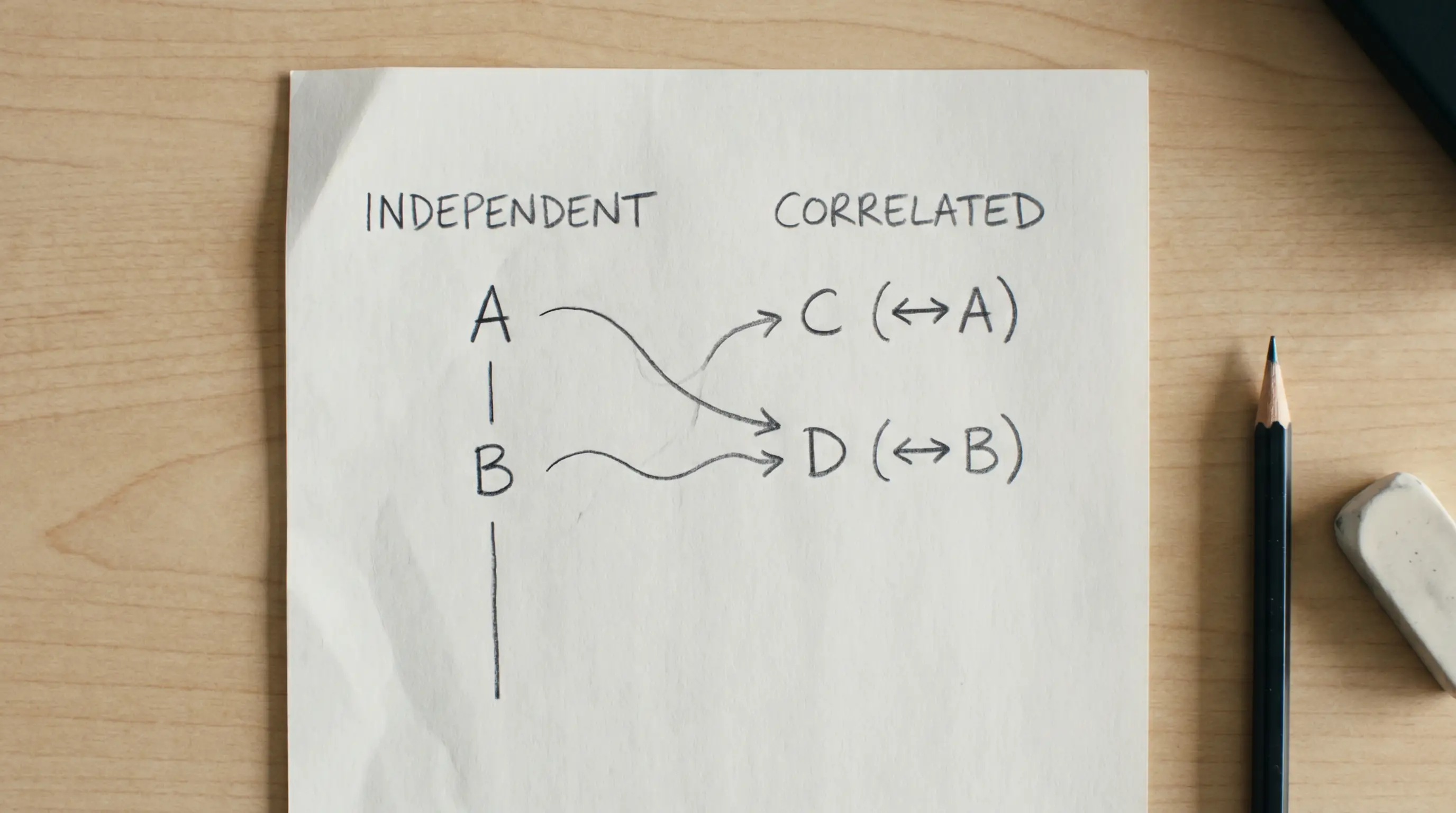
What I avoid entirely: mixing markets with correlated outcomes in the same acca. If you back Player A to win the tournament outright and also include Player A to be first round leader, those events are not independent — and most bookmakers will not allow it as a traditional accumulator. That territory belongs to same-game parlays, which handle correlated legs differently.
Combined Odds and the Realistic Win Rate
Here is the uncomfortable truth about golf accumulators: the bookmaker’s margin compounds with every leg you add. Roughly 66% of UK adults place a bet at least once a month, and 24% bet on sport online regularly, which means the acca market is massive. Bookmakers price accordingly.
A single matchup bet might carry an overround of 5–8%. In a treble, that margin compounds: 1.06 x 1.06 x 1.06 = 1.19, meaning the cumulative overround on a three-leg acca is roughly 19%. A four-fold pushes it past 25%. Every additional leg feeds the bookmaker’s edge, and the combined effect is that the odds you receive on a golf acca are materially worse than the “fair” odds would suggest.
Does that mean accas are never worth it? No, but it means they should be a small, entertainment-weighted part of your betting. I allocate no more than 5–10% of my weekly golf budget to accumulators. The rest goes into single bets — matchups, each-way outrights, top finishes — where the margin is lower and the expected value is more transparent.
The discipline is in the staking, not the selection. If your acca research is as rigorous as your singles research, the selections will be sound. The risk is that the compounding margin erodes the edge you worked to find. Keep the stakes small, the legs few (two or three is plenty), and accept that accas are the high-variance, high-fun corner of your golf betting portfolio.

One practical tip I rely on: track your accumulators separately from your singles in a spreadsheet. After a season, compare the return on investment for each category. In my experience, singles consistently outperform accas on ROI — but the accas produce the occasional spike that keeps the whole exercise enjoyable. That balance is worth preserving, so long as the stakes reflect the risk.
Accumulators vs Same-Game Parlays
A traditional accumulator combines selections from different events or different independent markets within the same event. A same-game parlay — or SGP — combines multiple markets from the same event with adjusted odds to account for correlation. The distinction matters because golf is full of correlated outcomes.
If you back a player to finish in the top ten, there is a strong correlation with that player making the cut. A traditional acca cannot combine those two legs because they are not independent. An SGP can, and the bookmaker adjusts the combined price to reflect the overlap. The adjusted price is lower than a naive multiplication of the individual odds — because the bookmaker is accounting for the fact that one outcome makes the other more likely.
I use SGPs when I have a strong view on a single player’s performance across multiple dimensions — say, a top-ten finish combined with under 2.5 birdies in round one on a tough course setup. Traditional accas work better when my edge is spread across different matchups or different players. Both have a place; neither should dominate the bankroll.

Accumulator Betting FAQ
Can I combine outright winner bets in a golf accumulator?
Technically yes — most bookmakers allow you to combine outright winner bets from different tournaments into a multi-event accumulator. However, the combined implied probability is extremely low. Two outright bets at 25/1 each produce a double at 675/1 in decimal terms, with a combined win probability below 0.15%. These bets are pure entertainment and should be staked accordingly.
What is the maximum number of legs in a golf acca at most UK bookmakers?
Most UK-licensed bookmakers allow between 10 and 20 legs in an accumulator, though some cap golf accas at a lower number due to market liquidity. In practice, anything beyond four or five legs in golf produces astronomical combined odds with vanishingly small win probabilities. I rarely go beyond a treble for golf-specific accumulators.
